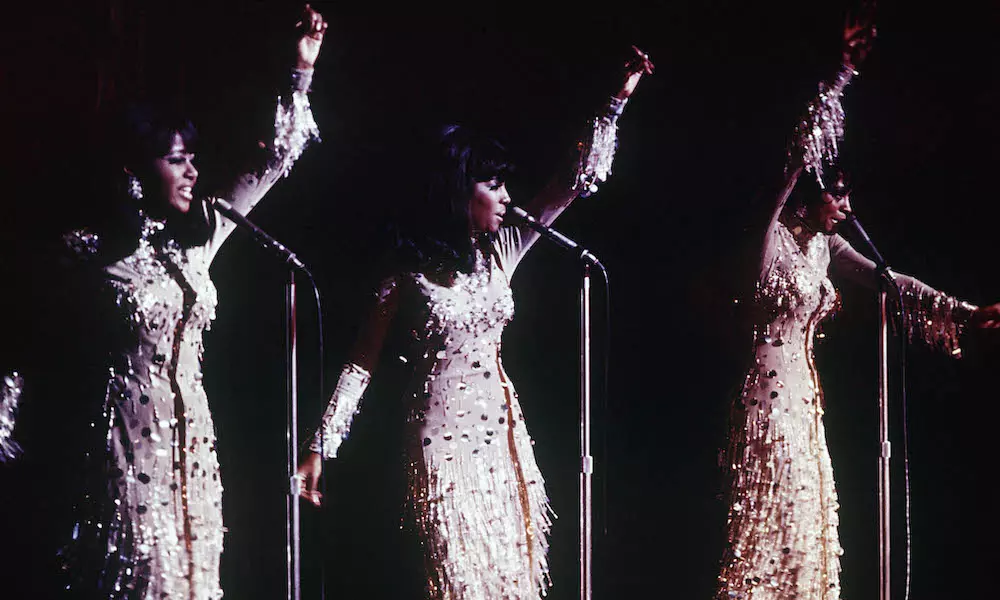
On a chilly January night in 1970, the glittering lights of the Frontier Hotel in Las Vegas played host to one of the most heartbreaking farewells in music history. To the adoring crowd, it was a night of pure Hollywood glamour. But behind the velvet curtains, a monumental shift was taking place that would change the landscape of American soul music forever. Diana Ross, the luminous face of Motown’s premier girl group, was taking her final bow with The Supremes. What happened next would prove that the climb to the top of the charts often comes with a devastating price.
Throughout the sixties, Diana Ross and The Supremes reigned supreme, conquering the airwaves with twelve spectacular number-one singles and capturing the hearts of millions worldwide. However, their rise was fueled by intense behind-the-scenes drama and corporate favoritism. Motown founder Berry Gordy had made his intentions clear, heavily promoting Ross while relegating founding members Mary Wilson and Florence Ballard to the background. By the time the group was officially billed as Diana Ross and The Supremes, the sisterhood had fractured, and the inevitable exit of their lead singer was already set in stone.
When Diana Ross finally walked away in 1970 to launch her solo career, the departure shocked casual fans but left the remaining members grappling with a bitter reality. The final performance at the Frontier Hotel was a masterclass in professional poise, yet the atmosphere backstage was reportedly freezing. Ross was moving on to unmatched superstardom, leaving a massive void in the group that had defined a generation. It was a stark and painful reminder of how fragile fame can be when built on the shoulders of a single breakout star.
In a desperate bid to keep the hit machine running, Motown quickly recruited the talented Jean Terrell to step into the lead role. Against all odds, the newly configured group initially found success, scoring beloved hits like Up the Ladder to the Roof. Yet, the ghost of their former lead singer loomed large over everything they did. Motown’s promotional machine poured its massive resources into Diana Ross’s solo ventures, leaving the remaining Supremes to navigate a changing musical landscape with dwindling support. Soon, the hits began to fade, and the group’s legendary status quietly slipped away.
Today, the story of Diana Ross leaving The Supremes remains a deeply nostalgic yet cautionary tale about the high cost of fame. It serves as a fascinating window into a golden era of music where the beautiful harmonies on the record were often in stark contrast to the emotional discord in the recording studio. It reminds us of the fleeting nature of success and how a single decision can rewrite pop culture history forever.
Did you follow the dramatic transition of this iconic group back in the seventies, and do you think The Supremes ever truly recovered after losing their star lead singer?