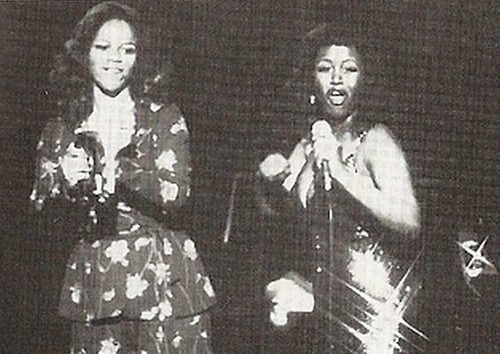
If you grew up spinning 45s on a record player, you know the sound of The Supremes. Those shimmering harmonies, those matching gowns, those hits that ruled the airwaves. But behind the glamour of Motown’s most famous girl group lived a heartbreak few fans ever saw coming. Her name was Florence Ballard.
Before the world knew Diana Ross, it was Florence Ballard who helped light the spark. In the late 1950s, in the housing projects of Detroit, a teenage Florence gathered a few friends and dreamed up a group that would one day change music history. She even chose the name that would echo through the decades: The Supremes. That single decision made her a founder, a visionary, and the heart of something extraordinary.
Throughout the early 1960s, the trio soared. “Where Did Our Love Go,” “Baby Love,” “Stop! In the Name of Love” — one number one after another. Florence Ballard’s powerful, gospel-rooted voice gave the group its soul, and her warmth made her a favorite among fans and fellow performers alike. For a moment, the future looked golden.
But inside Motown, the winds were shifting. Berry Gordy increasingly positioned Diana Ross at the center, and by 1967 the group was rebranded as Diana Ross & the Supremes. Florence Ballard, the very woman who had named them, found herself pushed to the edges. Tensions, health struggles, and painful clashes followed. That same year, she was quietly removed from the group she had created.
What happened next is the part that still stings. Florence signed away much of what she was owed, faced financial ruin, and struggled to rebuild a solo career that never caught fire. For a time she relied on public assistance, raising her daughters while the world outside danced to songs she had helped birth. The contrast was cruel: one Supreme became a global superstar, while the founding Supreme slipped into hardship.
In 1976, Florence Ballard died of a heart attack at just 32 years old. Thousands lined the streets of Detroit for her funeral, a bittersweet reminder of how deeply people still loved her. She was gone far too soon, her story a shadow behind the sparkle of Motown’s greatest triumphs. Yet those who remember her voice know it carried a feeling no chart position could measure.
Why does Florence Ballard’s story still resonate today? Because it reminds us that fame rarely tells the whole truth. Behind every glittering hit there are real people, real dreams, and sometimes real wounds that never fully heal. Florence gave us the name, the harmonies, and a piece of her heart — and she deserves to be remembered not as a footnote, but as a founder.
So the next time “Baby Love” comes floating out of an old speaker, pause for a moment and think of the young woman from Detroit who started it all. Florence Ballard mattered then, and she matters now. Her music, her legacy, and her name still shine, even after all these years. Turn the volume up, and let her voice live on.