In 1956, the airwaves were forever altered when a young man from Mississippi let out a blues-drenched wail that would define a generation. We all know the song, that moody, echo-laden anthem of isolation known as Heartbreak Hotel. For decades, it has been the soundtrack to our own midnight blues, a staple of rock and roll history. But while the world was busy dancing to the rhythm, few listeners dared to look into the darkness that birthed the melody. The truth is far more sinister than a simple song about a lonely man; it is a chilling descent into a real-life tragedy that the industry tried to keep buried under the weight of stardom.
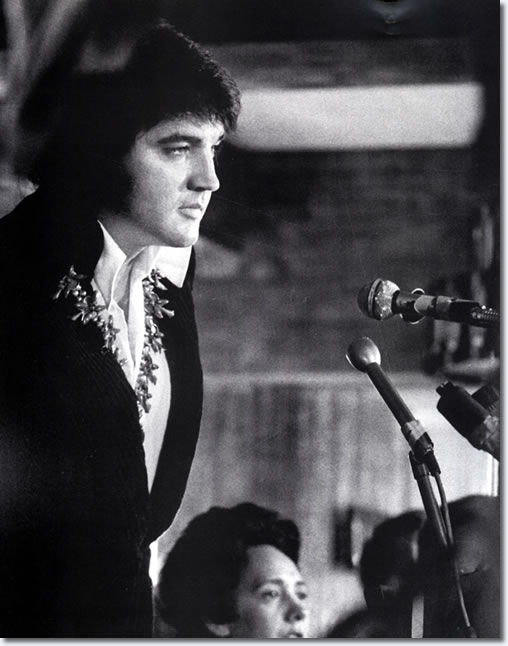
Elvis Presley was not just singing about a fictional place when he stepped into the studio. The inspiration for the track was rooted in a grim discovery: a suicide note left by a man who had ended his life, leaving behind a sentiment so haunting it felt like a ghost had whispered it directly into Elvis Presley’s ear. The note contained only a few words, expressing that he walked a lonely street and had no one left to love him. This wasn’t the typical pop fluff of the fifties. It was a raw, unfiltered slice of human agony that caught the King of Rock and Roll at the exact moment he was transitioning from a local sensation into a global myth.
At the time, the record executives were terrified. They thought the song was too dark, too depressing, and far too morbid for the upbeat, polished landscape of mid-fifties radio. They wanted Elvis Presley to pivot toward lighter, more danceable fare. But the King knew something they didn’t; he understood that behind every bright neon sign of success, there was a shadow. He insisted on the release, and in doing so, he tapped into a collective sense of sorrow that millions of listeners had felt but never dared to speak. It was an instant, overnight legend that changed the trajectory of his career.
Think about that iconic, hollow-sounding guitar riff. Does it sound different now that you know it was essentially a funeral march for a forgotten soul? For years, the media glossed over the origins of the song, choosing to paint Elvis Presley as a rebellious heartthrob rather than a conduit for such profound melancholy. It is a classic case of the music industry masking a tragedy with glamour. Even today, when the familiar piano chords strike, those of us who grew up in the golden age of rock and roll feel that distinct chill running down our spines.
Why does Heartbreak Hotel still resonate with us so deeply today? Perhaps it is because it reminds us that even the biggest stars were haunted by the same loneliness as the rest of us. Elvis Presley carried that weight until his final days, and every note of this track serves as a haunting reminder of the price of fame. So, the next time you hear that slow, agonizing tempo, listen closely—because you are hearing a ghost from 1956, echoing a tragedy that time could never quite silence.