You probably remember where you were when “Janie’s Got a Gun” hit MTV in 1989. The power ballad had all the hallmarks of a classic rock anthem—soaring guitars, Steven Tyler’s raspy wail, and a music video that wouldn’t leave your head for days. But here’s what most people missed back then: Aerosmith had just smuggled one of rock’s most taboo subjects straight into the mainstream, and radio programmers barely blinked. This wasn’t just a comeback single. This was a confession wrapped in guitar solos, and it changed everything about how rock music could address the darkest corners of American life.
By 1989, Aerosmith was desperate. The Boston legends had nearly imploded during the 1980s, ravaged by drug addiction, internal feuds, and fading relevance. Steven Tyler, the band’s charismatic frontman, had spent years battling his demons while watching younger bands dominate MTV. “Janie’s Got a Gun” emerged as their lifeline, but when you listen closely, you realize Steven Tyler and the band were doing something far braver than simply chasing radio play. The song tells the story of a young girl who shoots her sexually abusive father—a violent act of justice born from years of unspeakable trauma. In 1989, this subject matter wasn’t just edgy. It was genuinely shocking, the kind of narrative that concerned parents groups wanted banned and mainstream radio executives wanted buried.
The inspiration for “Janie’s Got a Gun” came from a true story that had haunted Steven Tyler for years. A young fan had confided in him about her own abuse, and the encounter left a mark on the rock icon. Rather than turning away or staying silent, Tyler channeled that pain into six minutes of raw, unflinching songwriting. The lyrics don’t flinch from the horror—they name it directly. Lines about a father’s predatory behavior and a daughter’s breaking point became the chorus of one of 1989’s biggest hits. Steven Tyler had weaponized vulnerability in a genre where invulnerability was currency.
What made “Janie’s Got a Gun” truly revolutionary wasn’t just the lyrics. It was the timing and the messenger. Aerosmith had earned their credibility through decades of excess and rebellion, which paradoxically gave them permission to say things other artists couldn’t. The music video, directed with unflinching brutality, showed the aftermath of the shooting with ambiguous sympathy. You weren’t meant to feel comfortable watching it. You weren’t meant to cheer. You were meant to confront something ugly and real.
The song became Aerosmith’s biggest comeback moment, reaching number four on the Billboard Hot 100 and winning a Grammy. But the real victory was cultural. “Janie’s Got a Gun” proved that rock music could address child sexual abuse without exploitation, could validate victims without glorifying violence, and could spark conversations that polite society wanted to avoid. Steven Tyler and Aerosmith opened a door that year, and suddenly other artists felt emboldened to tackle difficult subjects too.
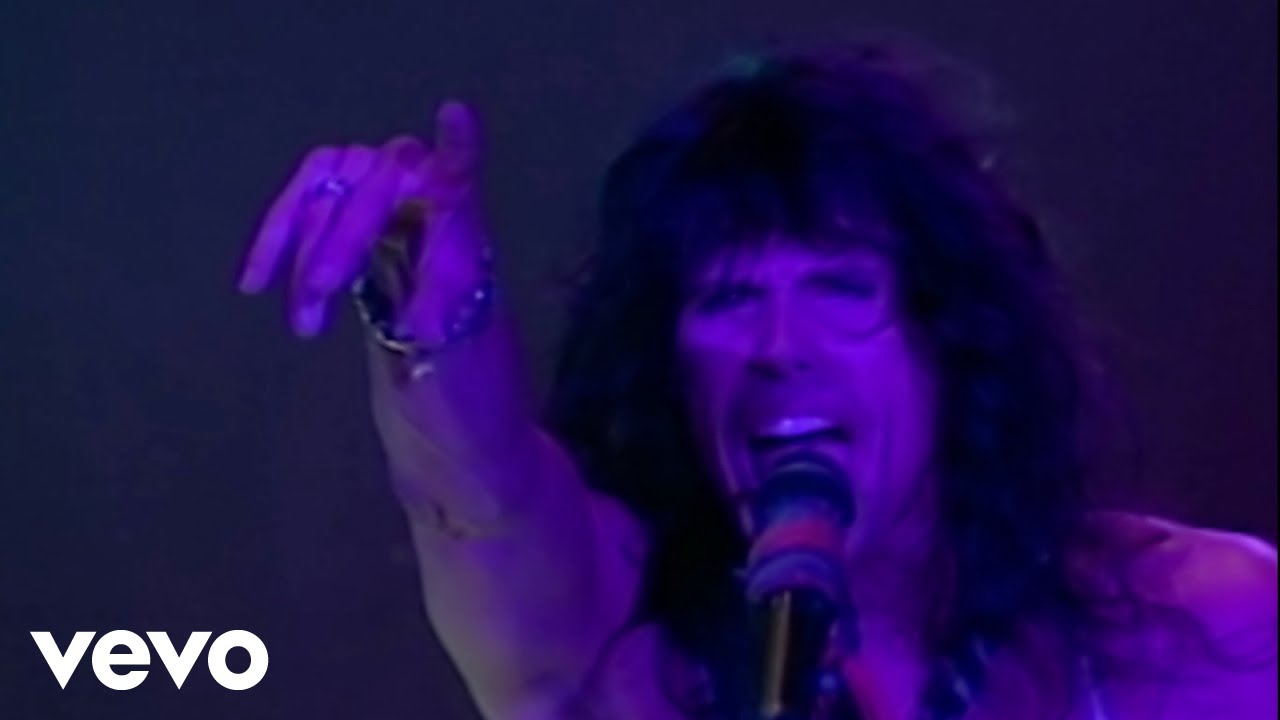
Decades later, “Janie’s Got a Gun” still hits different. In an era when we’ve finally begun reckoning with how institutions protected abusers and silenced victims, this 1989 power ballad feels almost prescient. Steven Tyler didn’t shy away from the darkness. He stood on that MTV stage and made millions of people feel seen in their own trauma. Aerosmith’s comeback wasn’t just about saving their career—it was about showing rock and roll could be a vehicle for truth-telling when it mattered most.
So the next time “Janie’s Got a Gun” comes on, remember: it’s more than a classic rock staple. It’s a moment when one of rock’s greatest frontmen chose conscience over comfort, and changed the conversation forever. That’s the real story behind Aerosmith’s biggest hit.