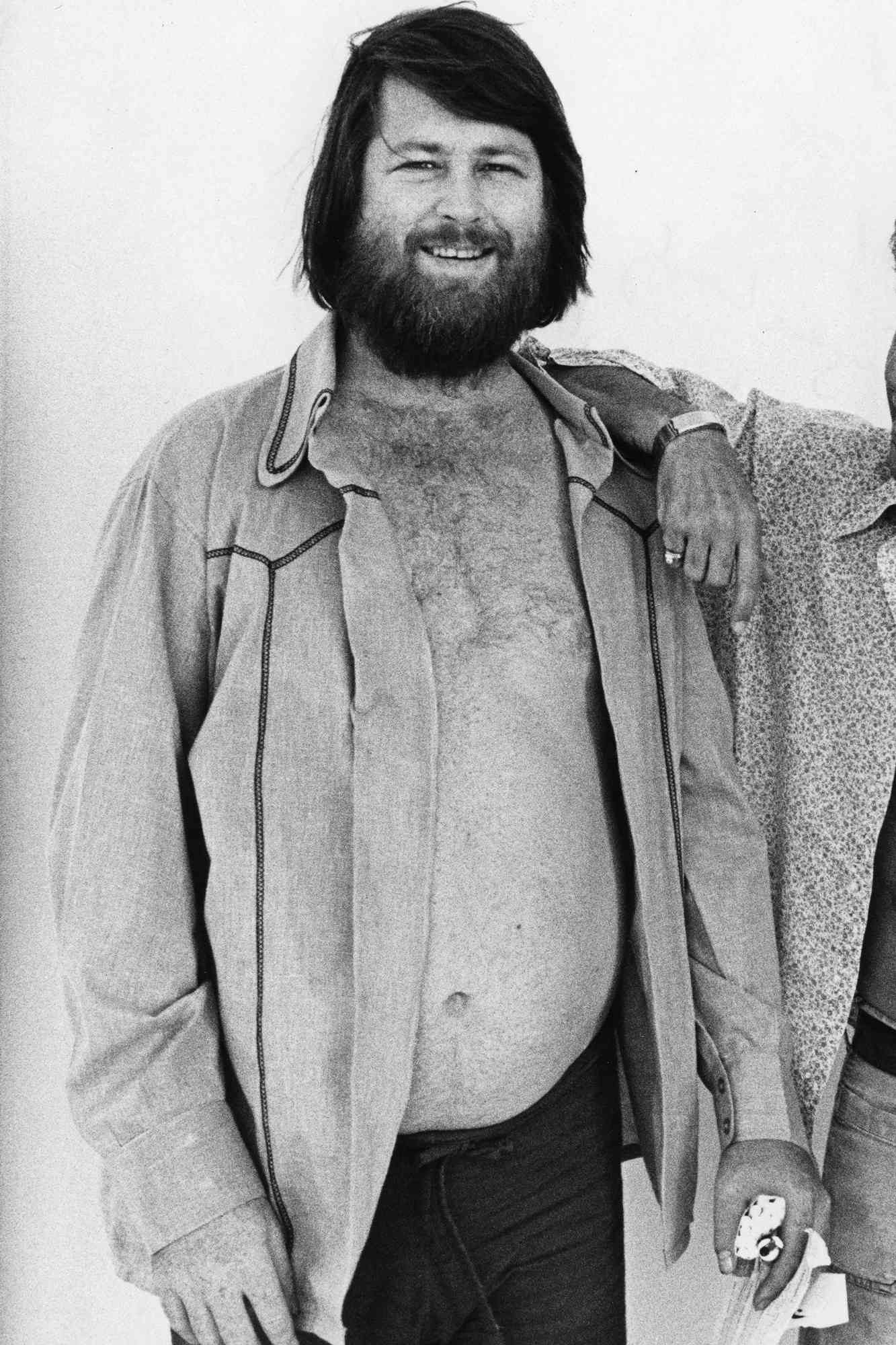
In the mid-1960s, the airwaves were dominated by the surf-rock optimism of The Beach Boys, but behind the scenes, a different frequency was vibrating inside the mind of Brian Wilson. While the world danced to simple harmonies, Brian was hearing symphonies that no one else could perceive. He was a man possessed by a vision of perfection, a creative fire that would eventually consume everything he knew. The result was the 1966 masterpiece Pet Sounds, an album so revolutionary that it famously pushed The Beatles to create Sgt. Pepper’s Lonely Hearts Club Band, yet for its creator, it became a gilded cage of isolation.
To understand the magnitude of Pet Sounds, one must look at the transition from the sunny pop charts to the complex, orchestral arrangements Brian Wilson insisted on layering. He didn’t just want to record songs; he wanted to capture the texture of human emotion. He utilized unconventional instruments like bicycle bells, barking dogs, and flutes, weaving them into a tapestry of sound that pushed the limits of the recording technology of the era. He was chasing an abstract ideal of beauty, working through long, grueling hours in the studio while his bandmates were busy touring. The pressure to top his own genius—and the looming shadow of his troubled personal life—began to fray the edges of his psyche.
As the tracks were laid down, the gap between the band and Brian Wilson grew into a chasm. The rest of The Beach Boys, accustomed to the commercial safety of surf hits, struggled to grasp the delicate, melancholic brilliance of tracks like God Only Knows or Caroline, No. But Brian was already miles away, drifting into a mental space where the boundaries between artistic expression and reality started to blur. The emotional toll of being an architect in a genre meant for leisure became too heavy. Following the exhaustion of the project and the subsequent unraveling of his magnum opus, Smile, Brian Wilson essentially vanished from the public eye for years.
The industry labeled him a recluse, a ghost haunting his own legacy. For those of us who grew up spinning his vinyl records on dusty turntables, it felt like the sudden silencing of a brilliant light. What the mainstream press painted as a simple case of burnout was, in truth, a shattering of a mind that had been stretched too thin by the demands of perfection. Brian Wilson had given his soul to those melodies, and when the music stopped, he was left to rebuild himself in the quiet shadows of his own creation.
Today, Pet Sounds stands as a testament to the high price of true artistic innovation. It remains a haunting reminder that the greatest art often emerges from the deepest personal crises. When we listen to those tracks now, we hear more than just music; we hear the echo of a man who saw the heavens but couldn’t withstand the gravity of the Earth. Brian Wilson eventually found his way back, but the echoes of that period remain, forever embedded in the grooves of the most beautiful record ever made.