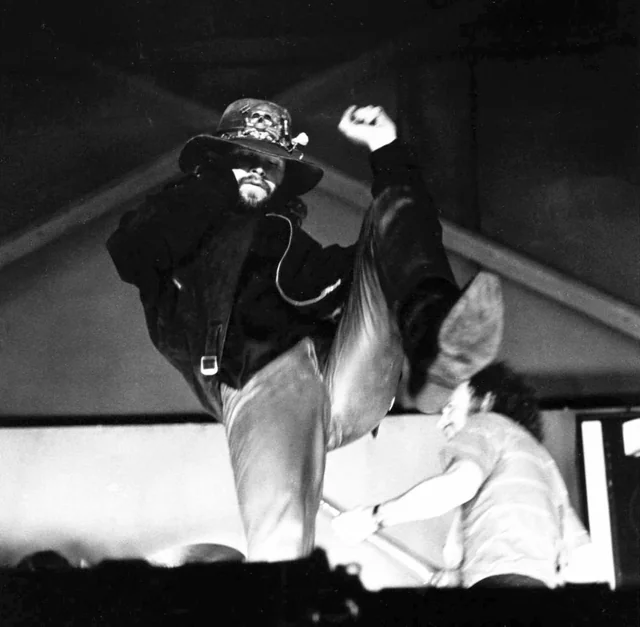
It was a humid, suffocating March night in 1969 at the Dinner Key Auditorium in Miami. For those of us who grew up spinning vinyl records and idolizing the wild spirit of the sixties, the name Jim Morrison is synonymous with poetic rebellion. But on that fateful evening, the line between rock-and-roll icon and public enemy blurred until it vanished entirely. The Doors were at the peak of their influence, but as the sweat dripped off the walls of that crowded arena, something shifted. It wasn’t just a performance; it was the beginning of the end for one of the greatest touring acts in American history.
Accounts of that night vary, colored by time and the haze of the era, but the fallout was absolute. Allegations of indecent exposure followed a performance where a drunken, unpredictable Jim Morrison reportedly pushed the boundaries of his audience to a breaking point. For a band that thrived on the tension between dark bluesy mysticism and pop success, this was the ultimate betrayal of the mainstream. The media machine, which had previously elevated him to a rock god, turned with a venomous hunger. Within weeks, the band was blacklisted by venues across the nation, effectively grounding a group that lived to be on the road.
Looking back, it is difficult to separate the man from the myth. Jim Morrison was always a powder keg of intellectual depth and self-destructive tendencies. Before Miami, The Doors were selling out arenas and topping the charts with their haunting B-sides and electric anthems. After Miami, the industry shut its doors. The legal proceedings that followed dragged on for months, turning the enigmatic frontman into a weary, bearded figure far removed from the leather-clad shaman his fans worshipped. The joy of live performance was replaced by the cold sterility of courtrooms and public outcry.
Why does this story still haunt us half a century later? It represents the moment the innocence of the sixties finally curdled. We lost the ability to witness the raw, unfiltered evolution of The Doors in a live setting. Instead of watching Jim Morrison grow as a performer on stage, we were left with the tragic narrative of his decline and his eventual passing in Paris. That night in Miami wasn’t just a scandal; it was the amputation of a limb from the body of classic rock. It serves as a reminder of how quickly the establishment can dismantle those who refuse to bow to its rules.
Even now, listening to a scratched LP of Waiting for the Sun or the haunting crescendos of The End, I find myself returning to that night in 1969. We often wonder what heights they might have reached if the tour hadn’t been severed by those controversial indecency charges. Jim Morrison remains a frozen figure in time—a brilliant, flawed, and forever polarizing icon. The music lives on, but the silence that followed Miami is a whisper that continues to echo through the halls of rock history.