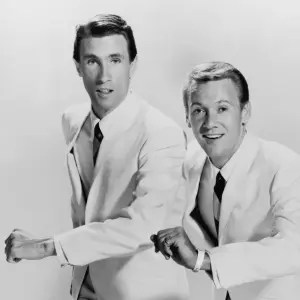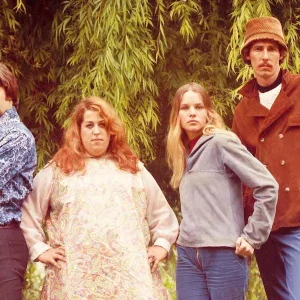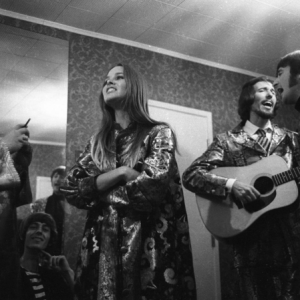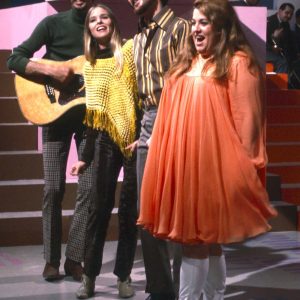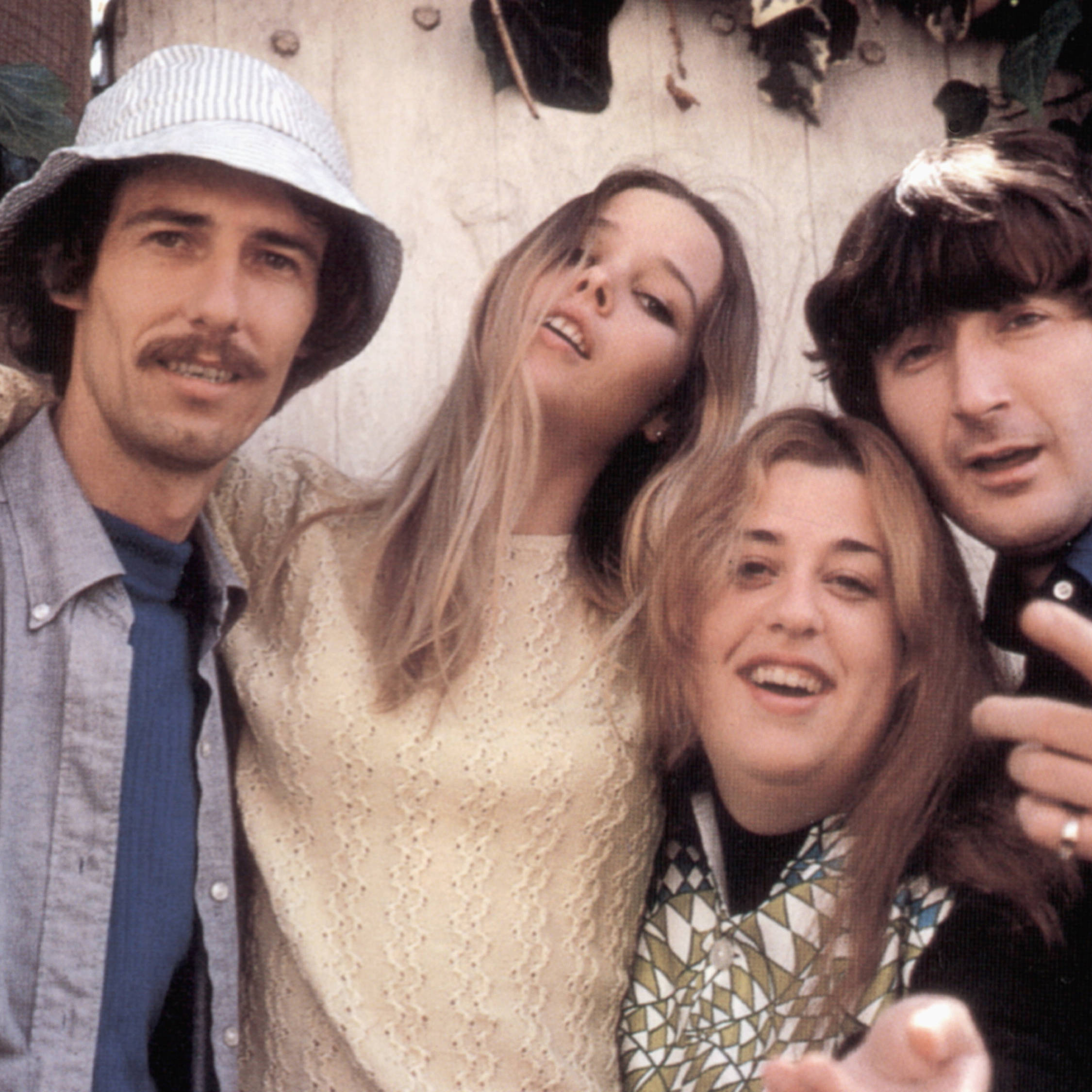
The golden age of the 1960s is often remembered through the lens of polished vinyl records, sunshine pop, and the hazy, dreamlike vocal harmonies that defined an era. But before The Mamas and the Papas became the architects of the California sound, they were living a reality far removed from the glitz of the charts. Imagine a freezing, dilapidated loft in New York City where the dream of stardom felt more like a desperate fight for survival. This was the raw, unvarnished beginning for a group that would eventually define the counterculture movement.
For John Phillips, Michelle Phillips, Denny Doherty, and Cass Elliot, the early days were defined by hunger and uncertainty. They were drifting, penniless, and caught in the cold grip of a city that rarely offered a hand to struggling musicians. They weren’t yet the legends of folk-rock; they were simply four souls huddled together, pinning their fading hopes on the sheer power of their voices. It is a stark reminder that even the most iconic chart-toppers often began their journey in the shadows of obscurity.
The turning point arrived like a scene from a classic film. In 1965, while the group was seeking refuge in the Virgin Islands, a chance encounter altered the course of music history. Lou Adler, a visionary record executive with an ear for the next big sound, walked into their hotel. He didn’t just hear a band; he heard the desperate, beautiful friction of their shared history. His signature on a contract didn’t just grant them a recording studio—it catalyzed the birth of anthems that would soon echo through every arena rock venue and radio station across the nation.
Once they entered the studio, the transformation was nothing short of miraculous. The desperation of their earlier years bled into their music, giving their harmonies a haunting, authentic edge that separated them from their contemporaries. When their debut album hit the shelves, the world was treated to a sound that was at once nostalgic and revolutionary. Tracks like California Dreamin’ weren’t just hits; they were snapshots of a generation yearning for something warmer than the freezing lofts they had left behind. The Mamas and the Papas captured a lightning-in-a-bottle moment that still resonates with listeners today.
Yet, the story of The Mamas and the Papas remains a bittersweet melody. Fame, as it often does, brought its own set of internal fractures and complex personal entanglements. Behind the radiant smiles and the iconic, perfectly layered vocal arrangements lay the turbulence of the music industry—the ego clashes, the substance struggles, and the inevitable erosion of their fragile collective. They burned bright and fast, leaving behind a legacy that is as complicated as it is beloved by fans of the era.
When we drop the needle on one of their classic LPs today, we aren’t just hearing a song; we are listening to the echoes of four people who clawed their way out of the cold. The Mamas and the Papas remind us that behind every masterpiece lies a human struggle, a story of near-ruin turned into legend by a single stroke of luck. Their music endures not just because it sounds perfect, but because it feels real—a timeless testament to the resilience of the human spirit.