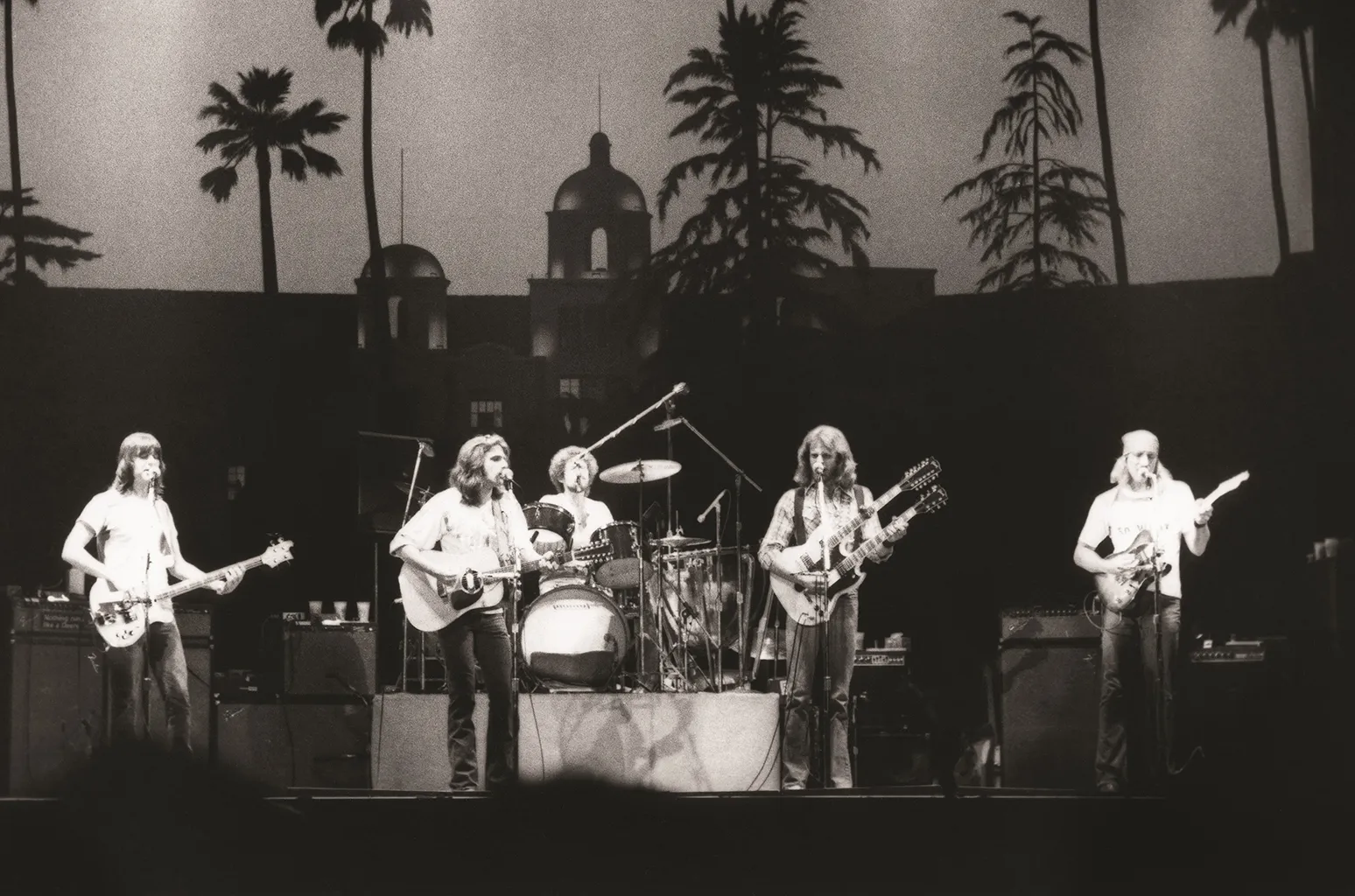
There was a night in 1980 when the smooth, sun-warmed harmonies of the Eagles curdled into something no fan ever expected to hear. In Long Beach, California, the band that had given America “Hotel California” and “Take It Easy” nearly came to blows under the stage lights. And in that moment, one of the greatest bands of the era quietly began to fall apart.
By then, the Eagles were exhausted. Years of relentless touring, drugs, ego, and creative tension had frayed the friendships that once made their music soar. That evening, according to accounts that have circulated for decades, Glenn Frey and Don Felder traded barely veiled threats onstage—counting down between songs, promising to settle things once the show was over. The audience heard sweet country-rock. Backstage, it was a war.
The breakup that followed felt almost inevitable. The Eagles had ridden the peak of the 1970s California sound, selling millions of records and defining a whole generation’s idea of freedom, highways, and heartbreak. But success had a cost, and by the early ’80s the machine simply seized up. Don Henley famously summed up the odds of a reunion with one unforgettable line: the Eagles would get back together when hell froze over.
For fourteen long years, that seemed like a promise no one could keep. Frey, Henley, Felder, Joe Walsh, and Timothy B. Schmit went their separate ways, building solo careers and letting old wounds harden. Fans held onto their vinyl and their memories, replaying “Desperado” and “Lyin’ Eyes” while wondering if they’d ever hear those voices blend live again.
Then, in 1994, the impossible happened. The Eagles reunited, and in a wink to Henley’s old vow, they named the tour and album Hell Freezes Over. It was the kind of full-circle moment that only real history can deliver—grown men who had once threatened each other choosing, at last, to stand shoulder to shoulder and sing. The opening line of their reunion had a knowing humor to it: they claimed they’d never actually broken up, just taken a very long vacation.
What makes the Eagles story endure isn’t just the music, gorgeous as it is. It’s the raw humanity of it—the reminder that even our heroes carry grudges, egos, and regrets, and that sometimes forgiveness takes more than a decade to arrive. The Long Beach threats and the frozen-over reconciliation are two sides of the same coin: a band too talented to quit and too proud to make peace easily.
Today, when “Hotel California” drifts out of a car radio, it carries all of that hidden drama beneath its shimmering guitars. The Eagles gave us the soundtrack of the American open road, but their real story was messier, angrier, and far more human than those flawless recordings ever let on.
So the next time you hear those harmonies, listen a little closer. Somewhere in there is the sound of men who once wanted to walk away forever, and somehow found their way back home.