When we hear the name Karen Carpenter, the world immediately retreats into the velvet comfort of her voice. We remember the effortless clarity of We’ve Only Just Begun and the aching melancholy of Superstar, songs that defined the soft-pop landscape of the 1970s. For decades, the media painted her as the fragile, angelic face of a hit-making machine. But if you look past the pristine studio production and the chart-topping ballads, you will find a truth that the public was simply not prepared to embrace in 1970: Karen Carpenter was, first and foremost, a formidable drummer.
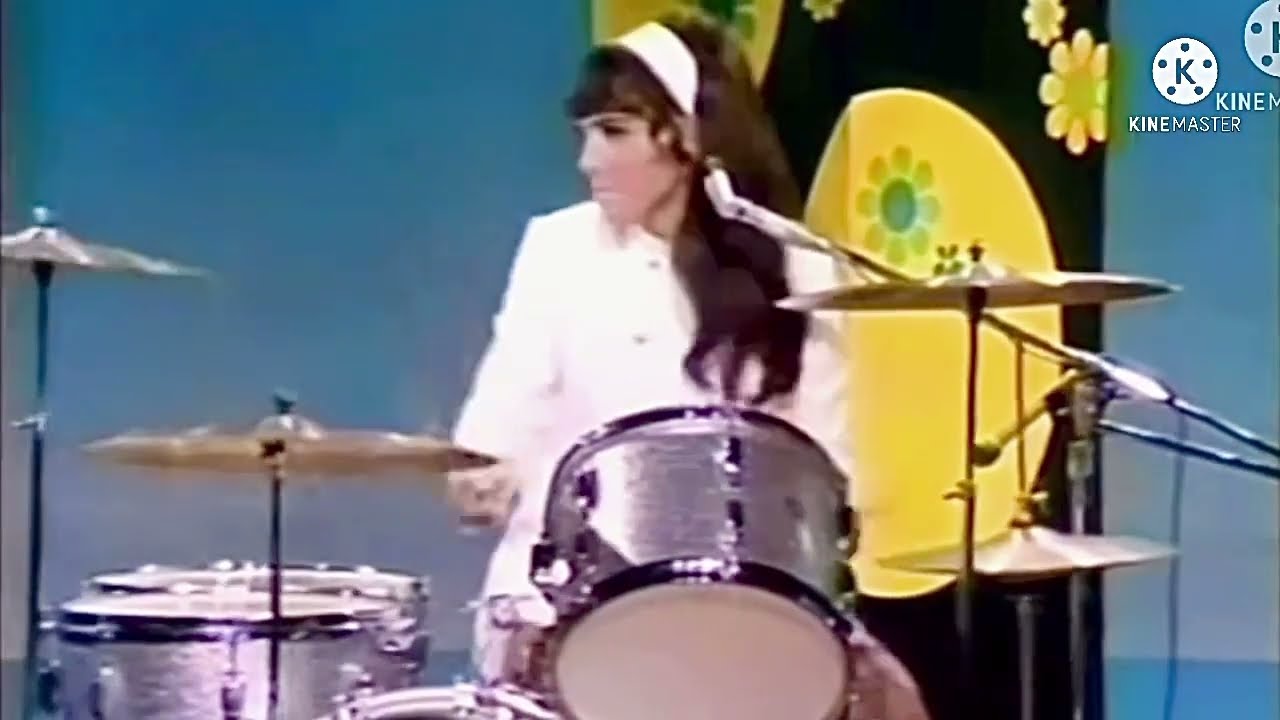
To see Karen Carpenter behind a drum kit is to see a different artist entirely. She did not just sit there as a prop; she was a percussionist of immense technical skill, having picked up the drumsticks long before she ever touched a microphone. During the golden era of the Carpenters, while Richard was the architect of their complex arrangements, Karen was the heartbeat. There is a specific kind of magic in the old television footage where she steps out from behind the drums to sing, then retreats to her kit to deliver a punchy, precise percussion solo that would make a rock drummer proud. She commanded the stage with a physicality that defied the delicate pop-princess image the industry tried so desperately to curate.
In the rigid gender roles of the 1970s, a woman playing drums—and playing them with such authority—was often met with confusion or dismissed as a novelty. The suits at the record labels preferred her at the front of the stage, stripped of her instrument, standing still while the audience focused on her haunting vocals. It was a calculated erasure. They wanted the voice that could melt hearts, but they were intimidated by the musician who could command a rhythm section. It was a suppression of her true identity, a sacrifice made at the altar of mainstream commercial success that ultimately kept her from being recognized as the complete musician she truly was.
Even today, the Carpenters are often relegated to the background of nostalgic radio playlists, but for those who know, the B-sides and the live recordings tell a much grittier story. When Karen Carpenter gripped those sticks, you could hear her passion, her frustration, and her raw talent bubbling beneath the surface. It was a secret hidden in plain sight, obscured by the very fame that brought her into our living rooms. Many fans look back now and wonder how history might have changed if she had been allowed to lean into her role as a drummer, rather than being forced into the spotlight as a tragic figurehead.
We may remember her for the notes she sang, but we should honor her for the rhythm she kept. Karen Carpenter was a woman trapped in an industry that loved her voice but feared her talent. Next time you drop the needle on a vintage Carpenters LP, close your eyes and listen past the melody. Hear the drums. That was the real Karen Carpenter, fighting for her place in the music world, one beat at a time.