Some stories stop you cold, no matter how many times you hear them. This is one of them. In July 1976, in a Dallas hotel, one of the greatest voices in American music walked out the door of her marriage with almost nothing to her name. Tina Turner left with 36 cents and a Mobil gas card. No suitcase. No plan. Just the will to survive.
By then, Tina Turner was already famous. Alongside Ike Turner, she had electrified stages with hits like “Proud Mary” and “River Deep – Mountain High.” To the world, they were a powerhouse duo. But behind the spotlight, Tina was living through years of abuse and control that she would later describe in painful, unflinching detail.
That night in Dallas changed everything. After a violent confrontation, Tina bolted across a busy highway and hid in a nearby motel, her face bruised, her heart pounding. She was terrified. But for the first time in years, she was also free. She had nothing but pocket change and the clothes she was wearing, and somehow that felt like a fortune compared to what she was leaving behind.
What came next is the part that still gives longtime fans chills. Tina Turner refused to take any of Ike’s money in the divorce. She asked only to keep her name. Her name, and the belief that she could rebuild her career from the ground up. By 1978, the divorce was final, and a woman many had written off began the slow, stubborn climb back.
For a while, the road was hard. She played small clubs and hotel ballrooms, working to pay off debts and prove she still belonged. Industry insiders doubted her. She was in her forties, a solo act with a painful past, in an era that worshipped youth. But anyone who ever saw Tina Turner command a stage knew that voice was not going anywhere.
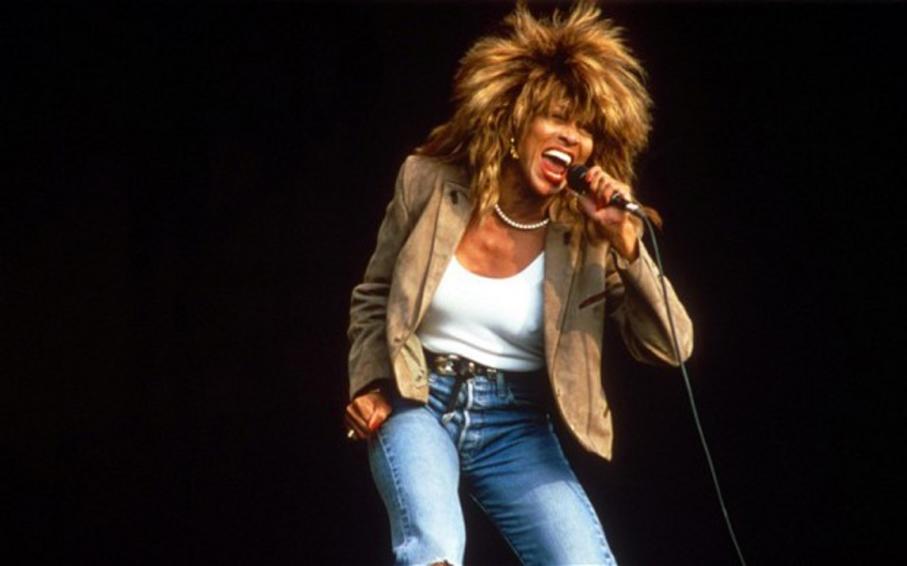
Then came the comeback that legends are made of. In 1984, “Private Dancer” exploded, and “What’s Love Got to Do with It” shot to number one, earning Grammy after Grammy. The woman who once ran with 36 cents was now selling out arenas around the world, dancing in heels with a fire that seemed impossible to contain. It remains one of the most triumphant second acts in the history of American music.
Why does this story still resonate today? Because it is not really about fame. It is about a woman who chose freedom over comfort, dignity over safety, and self-respect over silence. Tina Turner turned her lowest moment into the foundation of her greatest chapter, and in doing so she gave hope to millions who felt trapped in their own lives.
Every time “Proud Mary” comes rolling through the speakers, remember that voice came from someone who had every reason to give up and simply refused. Tina Turner did not just survive. She rose. And that fearless spirit is exactly why we still can’t take our eyes off her. What’s your favorite Tina Turner memory? Share it below.