It is the haunting opening sequence that defined a generation. A potter’s wheel spins, hands entwine, and the ethereal, soaring notes of a forgotten masterpiece fill the air. For twenty-five years, Unchained Melody by The Righteous Brothers had been quietly gathering dust in the archives of music history, a relic of the mid-sixties that most had pushed to the back of their minds. Then came a blockbuster film in 1990, and overnight, a song that was supposed to be a vintage footnote became a global phenomenon, proving that true art never really dies; it simply waits for the right moment to reclaim its throne.
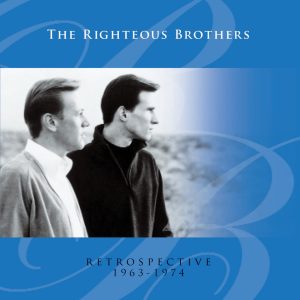
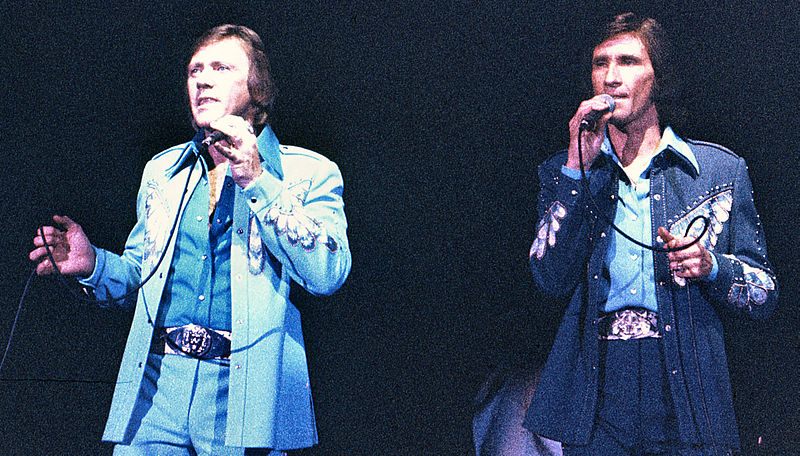
To understand the magic of The Righteous Brothers, one must look back to the mid-1960s, an era where the Jukebox was the heartbeat of every roadside diner and the transistor radio was the portal to a new world. Bill Medley and Bobby Hatfield were not your typical pop stars. With their ‘blue-eyed soul’ sound, they possessed a raw, operatic intensity that felt like a bridge between the gospel influence of the past and the sophisticated production of the future. When they recorded Unchained Melody in 1965, they captured lightning in a bottle. Yet, as the decade bled into the era of psychedelia and the cultural upheavals of the seventies, the ballad seemed to fade into the background, overshadowed by the louder, more electric sounds of the changing times.
For two decades, the song existed in a state of suspended animation. It was a phantom melody, occasionally surfacing on oldies radio stations or in the dusty bins of record stores, but it lacked the cultural relevance it had once commanded. The industry had moved on, captivated by the synthesizers of the eighties and the emerging grunge movement, leaving the soulful longing of The Righteous Brothers behind. It is a harsh reality of the music business: fame is often fleeting, and icons are frequently relegated to the status of nostalgia acts, their brilliance dimmed by the relentless march of technological progress and shifting trends.
Then came the 1990 cinematic moment that shattered the silence. As the film industry leaned into the emotional power of classic soundtracks, the sudden re-emergence of this track proved that the soul of the 1960s still resonated deeply with the modern heart. The resurgence sent the song back to the top of the charts, a feat virtually unheard of for a quarter-century-old track. It transformed The Righteous Brothers from historical legends into contemporary sensations once more, bridge-building between the aging Boomers who remembered the original release and a new generation of listeners discovering the sheer weight of its beauty for the very first time.
Today, Unchained Melody stands as a testament to the endurance of emotional truth in music. It reminds us that while the landscape of sound—from the vinyl records of our youth to the digital streaming era—may change, the human need for such raw, unadulterated passion remains constant. The Righteous Brothers remind us that music is not just a product of its time, but a living, breathing history that waits for us to rediscover its depth. Next time you hear those opening chords, close your eyes and listen closely; you are hearing more than just a song, you are hearing the echo of a classic that refused to be forgotten.