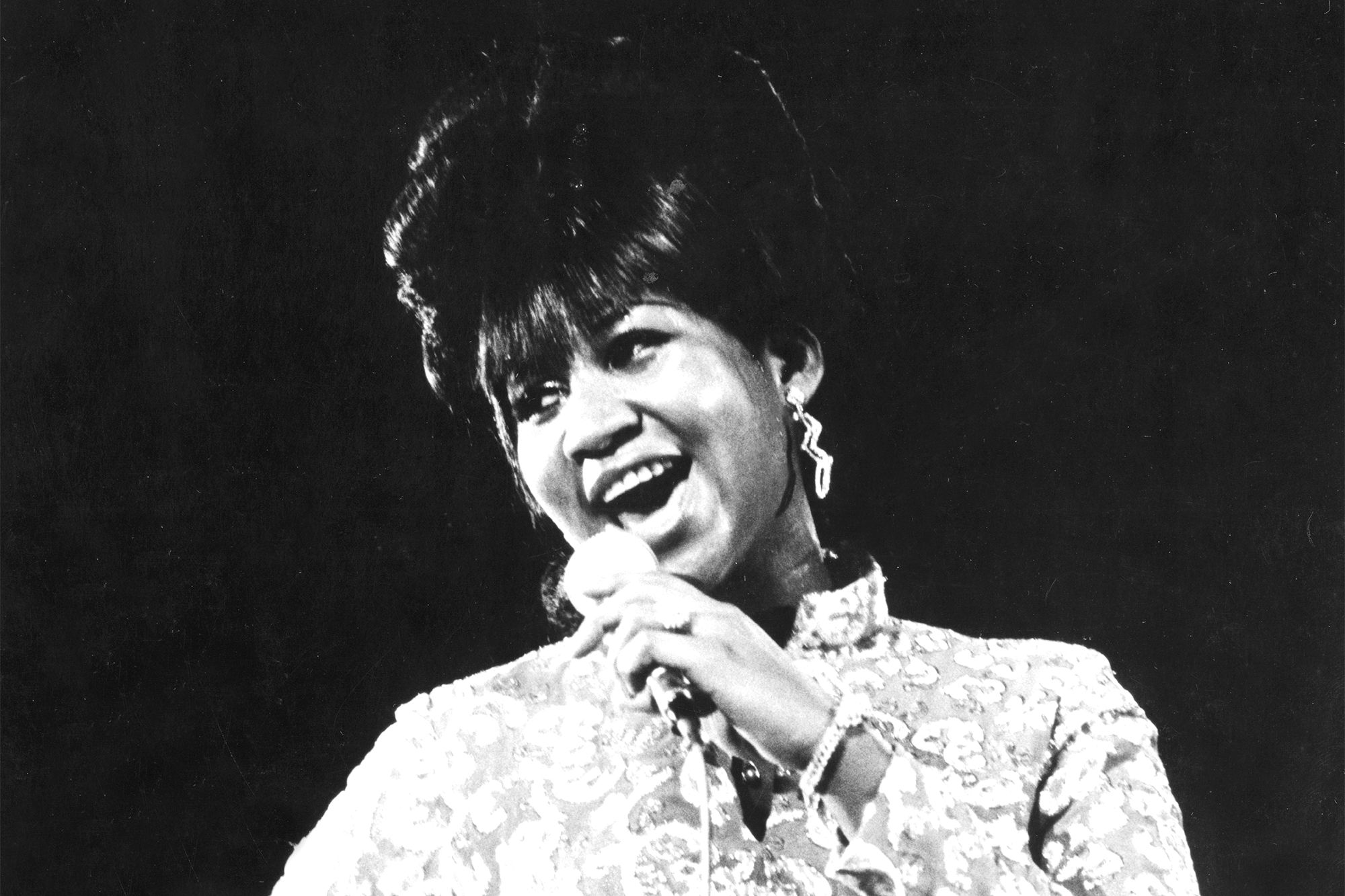
When the needle hit the vinyl in 1967, the world thought it was merely another cover song, a standard R&B track being recycled for the charts. Yet, when Aretha Franklin opened her mouth, the cultural landscape of America shifted forever. It was not just a performance; it was a reclamation of power. While Otis Redding had written and performed the song from a man’s perspective—pleading for a woman to be ready when he got home—Aretha Franklin stripped those lyrics down, rebuilt them, and handed them back to the women of the world as an iron-clad demand for dignity. She turned a simple request into a battle cry that echoed through the living rooms of every American household, demanding that we recognize what the Queen of Soul truly meant by that famous spelling.
Behind the golden records and the polished image of the Queen of Soul lay a story of grit and personal turmoil that the press rarely dared to touch. By 1967, Aretha Franklin was already a seasoned professional, but she was trapped in a cycle of industry skepticism and personal heartache. The industry tried to mold her into a generic jazz vocalist, stripping away the gospel soul that defined her very existence. But when she took command of this song, she was not just singing lyrics; she was singing about her own survival. The raw, guttural power in her voice was fueled by years of watching her contemporaries be silenced, exploited, or discarded. She knew that to stay on top, she had to be more than a singer; she had to be a force of nature.
There is a chilling, often overlooked detail about that recording session that highlights why Aretha Franklin stood apart. The legendary backup vocals provided by her sisters, Erma and Carolyn, were not just musical accompaniment; they were a sisterhood pact. As they sang those repeated lines, they were creating a sonic shield around a woman who had fought tooth and nail for her creative autonomy. It was an act of defiance against a music industry dominated by men who wanted to dictate how a black woman should sound, move, and think. When she demanded respect, she was not asking; she was issuing an ultimatum to an entire nation that was on the brink of social upheaval.
Decades later, the song remains the ultimate anthem for empowerment, but we often forget the weight of the air in that studio back in 1967. Aretha Franklin transformed a man’s plea into a woman’s requirement, fundamentally altering the trajectory of pop music history. The cultural impact was immediate and visceral, turning her into a symbol that transcended the radio waves. For those of us who grew up with the static of transistor radios, that voice still sounds like a thunderstorm breaking the silence of a long, stifling summer. It was the moment that the Queen of Soul claimed her throne, and the music industry was never quite the same after she made her point crystal clear.
Today, we often analyze the song through a modern lens, stripping it of its messy, beautiful, and dramatic origins. But if you listen closely to the crackle of that original 1967 pressing, you can still hear the sharp intake of breath before she belts out the chorus. It is the sound of a woman changing history one syllable at a time. Aretha Franklin did not just top the charts; she forced the world to stop and listen to a truth they had ignored for far too long. As we look back on the golden age of American music, we have to ask ourselves: do you remember where you were when the world finally learned how to spell that word, or was it just another song to you?