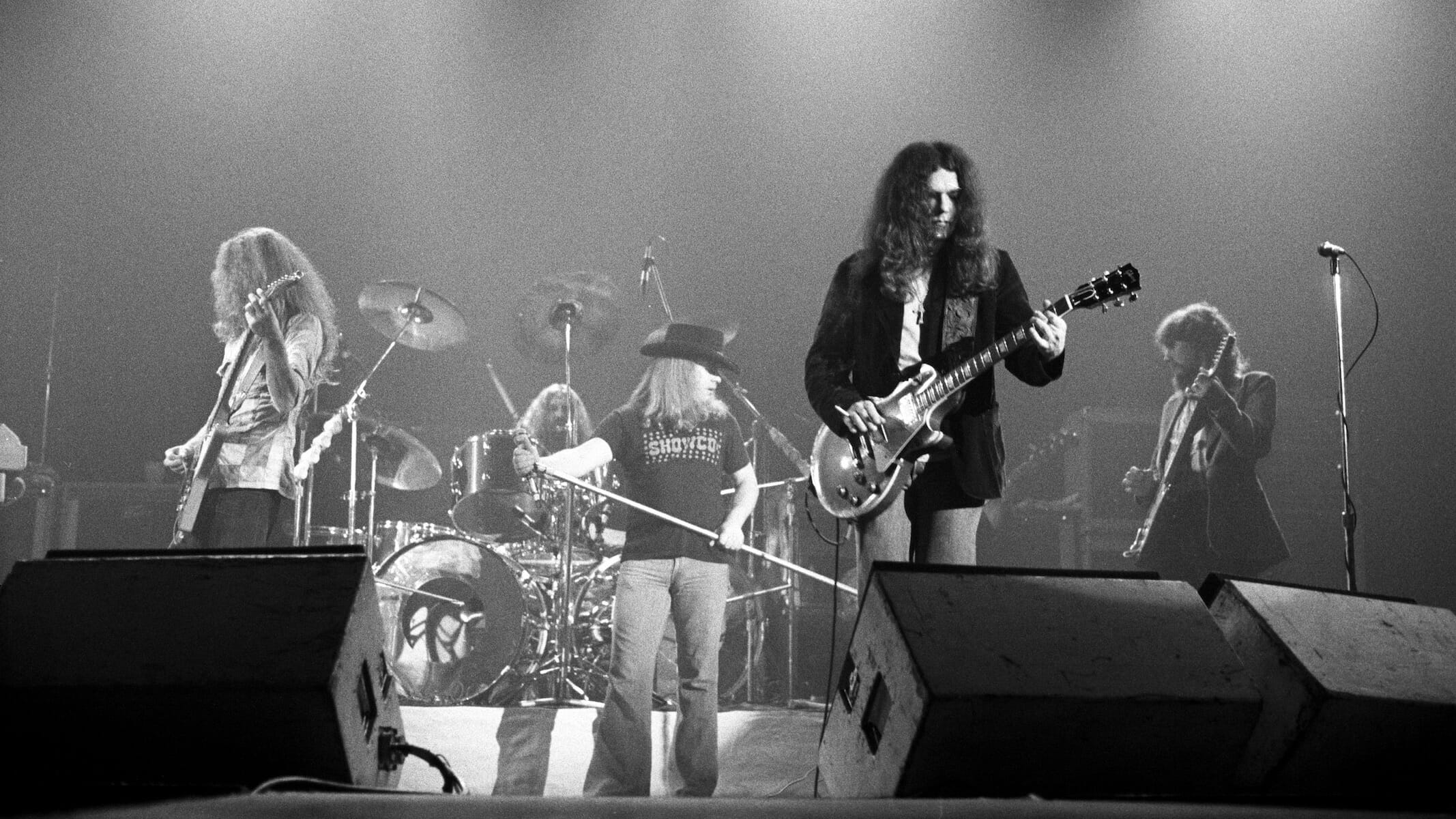
It was May 1975, a year that marked both the zenith and the beginning of the end for Southern rock legends Lynyrd Skynyrd. While fans across the country were basking in the glow of the band’s meteoric rise, the reality behind the curtains was far from the triumphant roar of the stadium crowds. The band was trapped in the middle of what would become infamously known as the Torture Tour. This grueling, relentless schedule of back-to-back performances pushed the members to the absolute brink of their physical and mental exhaustion, turning the tour bus into a pressure cooker of resentment and shattered nerves.
At the center of this volatile atmosphere was the dynamic between the band’s formidable leader, Ronnie Van Zant, and founding guitarist Ed King. Ronnie was a force of nature, a man whose vision for the band was absolute, but his intense personality often clashed with those around him. By the time the tour hit its stride, the environment had grown increasingly toxic. The constant movement, the lack of sleep, and the sheer weight of expectation fueled a series of backstage confrontations that would eventually change the course of rock history forever.
The breaking point arrived during one of those humid, suffocating nights when the friction between the two men finally ignited into a full-blown explosive argument. In the heat of the clash, the tensions that had been simmering for months boiled over, leaving no room for reconciliation. Shortly after this heated exchange, Ed King did the unthinkable. Under the shroud of darkness, he simply walked away from the band that he helped build from the ground up, disappearing into the night and leaving his equipment, his legacy, and his bandmates behind without a word of goodbye. It was a silent exit that left an indelible mark on the soul of Lynyrd Skynyrd.
This incident remains one of the most haunting footnotes of the seventies. When we think of the era defined by the crackle of the Jukebox and the raw, unpolished energy of the Southern rock movement, we often overlook the human cost of that fame. The departure of Ed King was not just a loss of talent; it was a symptom of an industry that demanded everything from its artists while offering very little in the way of support or respite. The Torture Tour serves as a grim reminder of how quickly the dream of rock and roll stardom can devolve into a nightmare.
Years later, the story of that night still resonates because it captures the raw, unfiltered truth of the rock lifestyle. We cherish the records that Lynyrd Skynyrd left behind, but we must also acknowledge the fragility of the men who made them. Every time you drop the needle on a classic track, remember the ghosts in the machine and the fragile bonds that held the music together. It is a testament to the band’s resilience that they continued to shape music history, even after the night they lost a part of themselves in the dark.