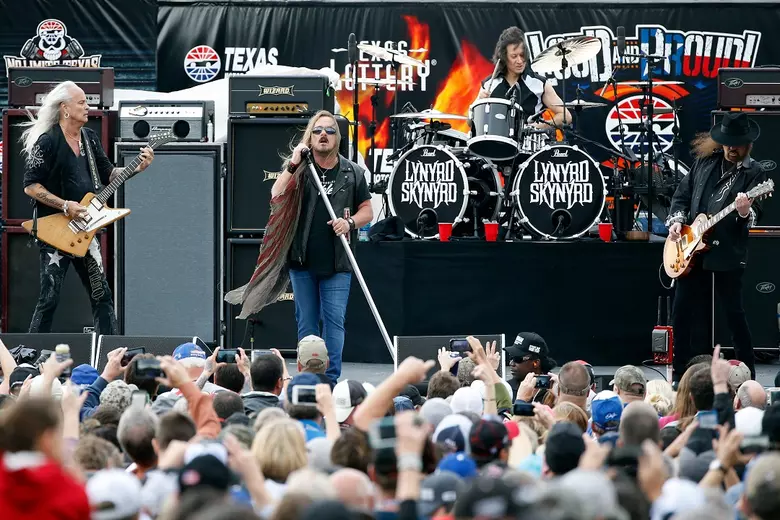
In the mid-1970s, the airwaves were a battlefield, and the cultural divide between the North and the South was wider than ever. While the Jukeboxes of small-town diners played the sounds of a changing nation, a quiet storm was brewing in the world of folk and rock. It all started with two songs by Neil Young—Southern Man and Alabama—which painted a scathing, unflinching portrait of the American South. To the members of the gritty, Jacksonville-born band Lynyrd Skynyrd, these lyrics felt like a direct, condescending slap in the face. They weren’t just offended; they were ready to pick up their guitars and fight back with the only weapon they knew: rock and roll.
The tension reached a boiling point in the recording studio. Ronnie Van Zant, the charismatic and fiercely protective frontman of Lynyrd Skynyrd, felt that Young’s songs were painting all Southerners with the same brush of intolerance. Rather than engaging in a public war of words in the music press, the band decided to address the critique through their craft. They channeled their frustration into a melodic, defiant response. The result was Sweet Home Alabama, a multi-platinum masterpiece that would soon become an enduring, if slightly misunderstood, anthem of American rock history. It was a bold move that turned a personal grudge into a cultural phenomenon.
What makes the story of Lynyrd Skynyrd so compelling is the irony of the relationship that followed. Despite the lyrical jabs aimed at Neil Young in the track, there was never a true, lasting enmity. In fact, both parties respected the sheer authenticity of the other. Ronnie Van Zant was often seen wearing a Neil Young T-shirt during performances, a subtle nod to the complexities of their artistic rivalry. It was a time when the music business wasn’t just about glossy hits; it was about raw, human conflict, played out on the stages of crowded stadiums and through the speakers of a worn-out Walkman. The feud humanized these rock gods, grounding them in the very real, often painful tensions of the era.
The legacy of Lynyrd Skynyrd goes far beyond this single conflict. They embodied the spirit of the 1970s, balancing massive success with internal struggle and the heavy toll of life on the road. The tragedy that would eventually befall the band, particularly the devastating 1977 plane crash, only served to cement their place in the pantheon of legends. Every time the opening chords of Sweet Home Alabama hit the airwaves today, it is not just a catchy melody; it is a ghost of a conversation that defined a generation. It reminds us of a time when songs were arguments, when lyrics carried the weight of history, and when music was the most powerful way to voice one’s truth.
Decades later, the rivalry remains one of the most famous stories in rock history, yet the music itself has transcended the spat. It serves as a reminder that even from bitterness and insult, true brilliance can emerge. Whether you are a fan of the Southern rock movement or simply a student of music history, the saga of Lynyrd Skynyrd and their most famous track is a quintessential piece of the American puzzle. As we look back on those days, we are reminded that sometimes, the greatest art is born from the most unexpected of frictions.