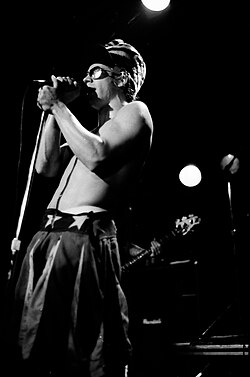
It was 1991, a year where the air in Los Angeles crackled with the raw tension of a musical revolution. Beneath the neon haze and the frantic pulse of the Sunset Strip, Anthony Kiedis was fighting a war that no one else could see. He was drowning in the suffocating grip of his own addiction, retreating into a private notebook to scribble down thoughts that were never intended for human eyes. These were not lyrics; they were jagged shards of grief and isolation, a desperate confession of a soul spiraling toward the abyss. For Anthony Kiedis, this notebook was a sanctuary, a place to hide the crushing loneliness that fame could never soothe. He truly believed these words would remain buried forever, locked away from his bandmates and the public.
But fate, as it often does in the music industry, had a different agenda. During a routine session, the legendary producer Rick Rubin caught a glimpse of those scribbled pages. Rubin was a man who could hear the ghost in the machine, and he knew instantly that this raw, unvarnished pain was the missing piece to propel the Red Hot Chili Peppers into the stratosphere. Despite the intense resistance from Anthony Kiedis, who feared exposing his deepest vulnerabilities, Rubin pushed him to record the poem. The resulting track, Under the Bridge, transformed from a forbidden secret into an anthem that defined an entire generation of rock music.
When we listen to that iconic melody today, we are not just hearing a radio hit; we are eavesdropping on a man’s journey back from the edge. The song captures a specific, haunting moment in the early nineties where the glossy pop of the previous decade collided with the gritty, authentic heartache of alternative rock. Anthony Kiedis found himself stripped bare, his private struggle with substance abuse broadcast to millions of strangers. It was a terrifying moment of exposure that inadvertently turned him into a voice for every person who had ever felt completely alone in a crowded room.
What makes the story of Anthony Kiedis so compelling decades later is the sheer, uncomfortable honesty of it all. Most rock stars of that era were hiding behind pyrotechnics or calculated stage personas, but the Red Hot Chili Peppers were offering us blood and bone. That poem, once hidden in a secret notebook, became the heartbeat of their career. It reminds us that our greatest masterpieces are often born from the moments we are most terrified to share. The tragedy of addiction fueled the melody, but the courage to finally speak the truth gave it an eternal life.
As the golden age of rock continues to fade into the rearview mirror, songs like this remain as vital as ever. They serve as a bridge between who we were and the people we have become. Anthony Kiedis dared to bleed onto the page, and in doing so, he taught us that even in our darkest hours, we are never truly walking the path alone. So the next time you hear those opening guitar notes drift through the speakers, remember the secret notebook and the man who didn’t want the world to hear his heart, but changed music history when he finally let them in.