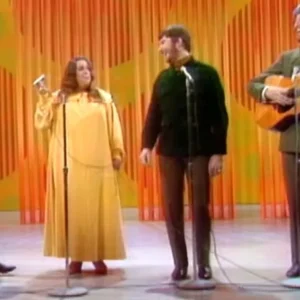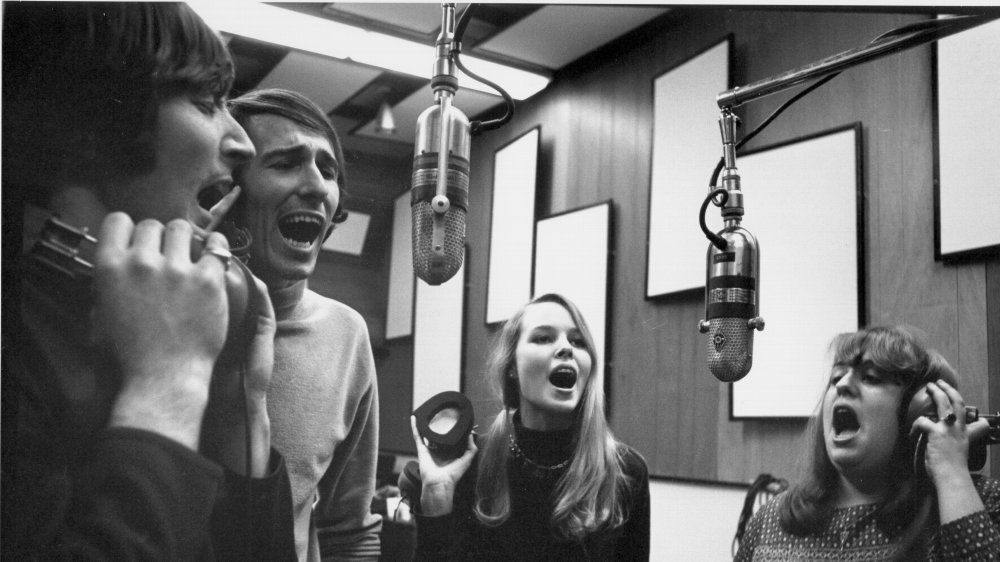
The year was 1965, and the air in Laurel Canyon was thick with the scent of jasmine and the promise of a musical revolution. The Mamas and the Papas emerged from this haze, delivering vocal harmonies so pristine and ethereal that they felt like the very sound of the California Dream. To the fans listening on their transistor radios, John and Michelle Phillips, Denny Doherty, and Cass Elliot were the golden idols of the Summer of Love. They were the architects of a sound that promised peace, sunshine, and cosmic connection. Yet, as the world sang along to the infectious melody of California Dreamin’, a darker, jagged reality was tearing the internal fabric of the band apart behind the studio doors.
Beneath the surface of their polished public image, the group was suffering from a toxic entanglement that would eventually consume their legacy. The marriage of John and Michelle Phillips was never a foundation of stability, but it was shattered by a secret betrayal that defied the camaraderie the band championed. Michelle had embarked on a clandestine affair with bandmate Denny Doherty, a transgression that turned the recording sessions into a minefield of unspoken tension and raw, volatile emotion. It was a classic Greek tragedy set to the backdrop of 1960s folk-rock, where personal intimacy collided violently with professional ambition, proving that even the most beautiful music can be forged in the fire of human cruelty.
This love triangle was the poison that slowly eroded the soul of The Mamas and the Papas. John Phillips, the mastermind and primary songwriter, became increasingly erratic, fueled by jealousy and the pressures of sudden superstardom. The tension became so palpable that it bled into the music itself. While the public consumed their records with a sense of wonder, those close to the group knew that every high note was shadowed by the weight of a dying union. The band, once a symbol of the Flower Power movement’s harmony, became a fractured group of individuals who could barely stand to inhabit the same room, let alone perform together.
Their rapid rise and even faster fall serve as a haunting reminder of the cost of fame during that era. While the radio broadcasted songs about unity, the real story of The Mamas and the Papas was one of isolation and profound betrayal. The golden veneer of the 1960s was often stripped away by the harsh glare of reality, and this band was perhaps the most poignant example of that disillusionment. Even decades later, when we hear the opening chords of their greatest hits, it is hard not to think of the heartbreak that simmered just out of earshot.
Today, we look back at this iconic quartet not just for their sonic contributions, but for the messy, human drama that makes their history so compelling. They remind us that the icons we worship were often just as lost as the rest of us, struggling to keep their personal worlds from collapsing while the world watched on. As the sun sets on the era of Woodstock and the Jukebox, the legacy of The Mamas and the Papas remains a bittersweet melody, a testament to how easily a California Dream can dissolve into a cold, lonely nightmare.