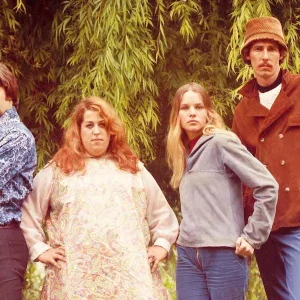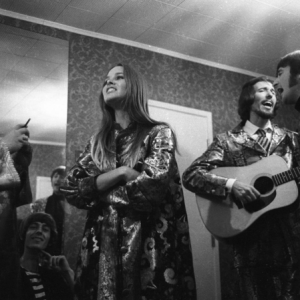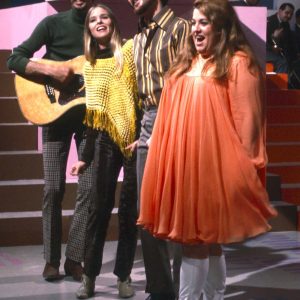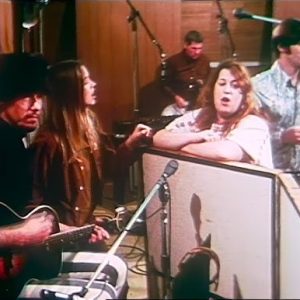
When the needle drops on a worn vinyl copy of If You Can Believe Your Eyes and Ears, the first notes of California Dreamin’ hit like a warm, salt-crusted breeze from 1966. For many of us, those lush, sun-drenched harmonies represent the absolute peak of the mid-sixties folk-rock sound. It was the anthem of an era, a song that felt like it had always existed, floating somewhere between a prayer and a travel dream. But if you listen closely to those intricate vocal arrangements today, you might hear something else—the strained, brittle sound of a quartet literally falling apart at the seams. While the world saw the perfect, flower-power harmony of The Mamas and the Papas, the reality was a suffocating web of desire and betrayal that would eventually shatter their legacy.
The Mamas and the Papas were built on the shaky foundations of a classic love triangle that would make a soap opera writer blush. John Phillips, the group’s visionary architect, was married to the ethereal Michelle Phillips, the voice that gave the band its haunting, crystalline edge. Yet, into this volatile mix stepped Denny Doherty, the soul-searching tenor whose voice intertwined with Michelle’s in a way that moved beyond musical chemistry. It wasn’t just a band rehearsal; it was an emotional powder keg fueled by late-night studio sessions, too much liquor, and the pressure of a meteoric rise to fame. They were capturing the dream of California for the rest of the world, all while their own domestic reality was descending into a dark, claustrophobic nightmare.
By 1966, the tension had reached a breaking point that threatened to erase the band entirely. The secret affairs and the subsequent discovery by John created an atmosphere so toxic that the music—the very thing that had brought them together—became the only thing holding them together. There is a profound, tragic irony in the fact that their most successful period was fueled by the same agony that was tearing their personal lives asunder. We often romanticize that golden age of rock, assuming the people singing those soaring choruses were as free and easy as the lyrics suggested. In truth, The Mamas and the Papas were living in a cage of their own making.
It is fascinating how this history shifts our perception of their music decades later. When I spin their B-sides now, the vulnerability in their performances feels different. It isn’t just great pop craft anymore; it’s a document of human fragility. You can hear the exhaustion, the longing, and the resentment in the way their voices clash and blend. They were the ultimate tragedy of the Laurel Canyon scene, a group that burnt out long before they faded away because they could not reconcile the music they created with the broken hearts they carried off-stage.
Today, we look back at The Mamas and the Papas not just as chart-toppers, but as a reminder that even the most beautiful art is rarely made by happy people. Their story remains a cautionary tale of the music industry—a testament to how fame demands a toll that few can afford to pay. Next time you hear the flute solo on California Dreamin’, try to listen past the melody. There is a ghost of a story there, a quiet, desperate echo of a love that was just too loud for the band to handle. The records remain, and the harmonies are still perfect, but the souls behind them were never quite the same again.