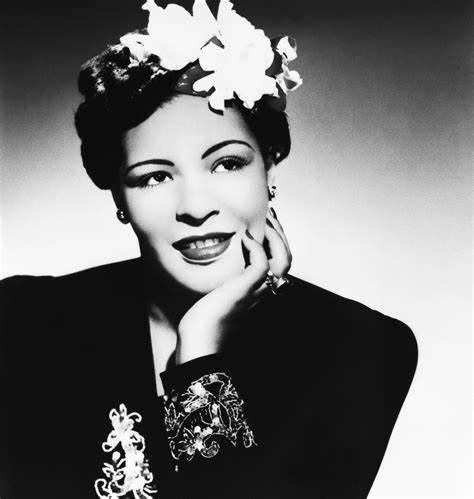
They called it the song that killed. Written in Hungary in 1933, ‘Gloomy Sunday’ had already earned a sinister reputation across Europe before Billie Holiday ever laid down her haunting vocals for the recording that would shake a nation at war. When the legendary jazz singer cut her version in 1941, the BBC didn’t just discourage it—they outright banned it, convinced that her mournful interpretation was pushing citizens toward despair during humanity’s darkest hour. But what was it about Billie Holiday’s rendition that frightened an entire broadcasting establishment? The answer reveals far more about the depths of human emotion than any censorship board dared acknowledge.
Billie Holiday was already a titan of American music by the early 1940s, her voice carrying the weight of lived suffering in every note. Unlike many of her contemporaries, Holiday refused to sanitize her artistry or perform the carefree jazz that record companies wanted her to deliver. Instead, she channeled real pain—the pain of racism, heartbreak, and loss—into recordings that cut straight to the listener’s soul. When she approached ‘Gloomy Sunday,’ a song already banned in several countries after reports linked it to a wave of suicides, Holiday didn’t soften its darkness. She leaned into it. Her interpretation transformed the melody into something that sounded less like a song and more like a requiem.
The original ‘Gloomy Sunday,’ composed by Hungarian pianist Rezsö Seress, had arrived in America wrapped in dark folklore. Urban legends whispered about the song’s curse, claiming that listeners who heard it fell into such profound melancholy that they took their own lives. Radio stations in multiple countries had already pulled it from playlists. Yet Billie Holiday’s recording in 1941 reached another level of emotional devastation. Her voice trembles with genuine anguish, each word delivered with the precision of someone who has truly contemplated oblivion. The BBC, terrified that British citizens already suffering under wartime rationing and bombing campaigns might be pushed over the edge, made their fateful decision to ban Holiday’s version entirely.
What makes this moment in music history so captivating is that Billie Holiday wasn’t trying to create a dark sensation. She was simply being authentically herself. The woman behind that legendary voice had endured unimaginable trauma—poverty, sexual abuse, racism, and addiction. These weren’t abstract horrors to her; they were the texture of her daily existence. When she sang ‘Gloomy Sunday,’ listeners heard not theatrical performance but raw testimony. The BBC’s ban, meant to protect the public, ironically became the greatest advertisement the song could receive, transforming it into legend.
Decades have passed since that 1941 recording, yet Billie Holiday’s ‘Gloomy Sunday’ remains controversial and captivating. Musicians and mental health professionals have debated for generations whether the song truly possesses some dark power or whether we’re simply projecting our own traumas onto the beautiful ache in Holiday’s voice. What we know for certain is that her version stands as one of the most emotionally honest recordings in jazz history. It refuses to look away from human suffering, refusing to dress it up in false hope. In our modern age of carefully curated social media and manufactured positivity, that kind of unflinching authenticity feels almost transgressive.
The real tragedy of Billie Holiday’s ‘Gloomy Sunday’ isn’t that the song might inspire dark thoughts in vulnerable listeners. The tragedy is that a voice so honest, so rawly human, had to be silenced by fearful institutions. Billie Holiday died in 1959, her extraordinary talent dimmed by the very forces that had tried to suppress her art. Yet her 1941 recording of ‘Gloomy Sunday’ endures—a ghost haunting the archives, a reminder that sometimes the most dangerous and important art is the stuff that makes us truly feel. Have you ever heard Holiday’s version? If you haven’t, you’re about to understand why an entire nation trembled at the sound of her voice.