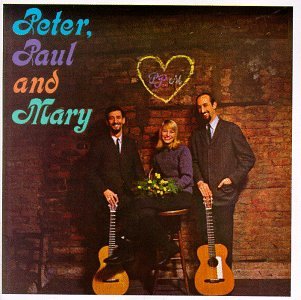
There’s a secret hiding in one of America’s most beloved children’s songs, and for decades, nobody wanted to talk about it. When Peter Paul and Mary released “Puff the Magic Dragon” in 1963, the world fell in love with the whimsical tale of a boy named Jackie Paper and his magical dragon friend living in the land of Honalee. But whispers quickly spread through schoolyards, college dorms, and eventually across the entire nation: was this innocent nursery rhyme actually a coded drug anthem? The accusation would follow the folk trio for the rest of their careers, despite their repeated denials. Now, fifty years later, the truth is finally worth examining.
The suspicion started almost immediately. Parents, teachers, and anti-drug advocates became convinced that “Puff the Magic Dragon” was really about marijuana smoking. The song’s very title seemed damning to those looking for hidden meanings. “Puff” meant smoking. “The Magic Dragon” was obviously a metaphor for getting high. Even innocent lyrics took on sinister undertones: “A dragon lives forever, but not so little boys” suddenly sounded like a warning about the destructive nature of drugs. Local news stations ran investigative segments. Radio stations received angry letters from concerned citizens. Peter Paul and Mary found themselves at the center of a firestorm they had never anticipated, forced to defend a song they insisted was simply about childhood innocence slipping away.
The irony is almost painful. Peter Paul and Mary were themselves folk heroes of the civil rights movement and anti-war activism. They weren’t trying to hide anything or send coded messages to drug users. Peter Yarrow, Noel Paul Stookey, and Mary Travers were serious artists with serious messages, yet this one whimsical song, written by Leonard Lipton when he was just a teenager, somehow became the target of an urban legend that refused to die. The writers denied it endlessly. Critics pointed out that the song was published in a children’s songbook, performed on variety shows, and championed by educators nationwide. If it was really about drugs, wouldn’t the connection have been more obvious?
Yet the legend persisted because, somewhere deep down, it feels true. The 1960s and early 1970s were decades of cultural upheaval, and America’s youth were experimenting with drugs openly. The folk music scene that birthed Peter Paul and Mary was inseparable from countercultural movements. Whether or not “Puff the Magic Dragon” was intentionally about marijuana, it perfectly captured a moment when innocence was genuinely disappearing from American life. The song’s melancholy undertone, its gentle regret about lost childhood, resonated with an entire generation watching their world transform.
The real tragedy is that this beautiful song became defined by a scandal it never deserved. “Puff the Magic Dragon” remains one of the most-performed folk songs in history, covered by everyone from kazoo orchestras to rock bands. It won a Grammy Hall of Fame award. It’s been sung by millions of children who have never heard the drug accusations. Peter Paul and Mary spent decades performing it on stages worldwide, watching audiences cry at its bittersweet message about growing up and letting go.
So what was “Puff” really about? Perhaps the truth is less important than what we desperately needed it to mean. In a decade when everything felt coded, coded, coded, when authority figures seemed to be lying and young people were desperate for hidden truths, we found a conspiracy in a children’s song. We needed that magic dragon to be about something forbidden because forbiddeness felt like the only authentic currency left. Even now, decades later, the mystery endures because it reminds us of a time when we believed songs could hide dangerous secrets worth uncovering.