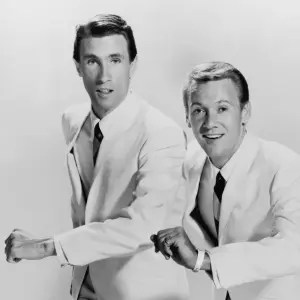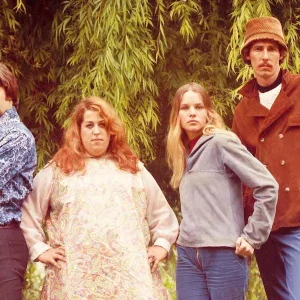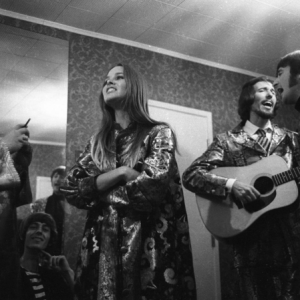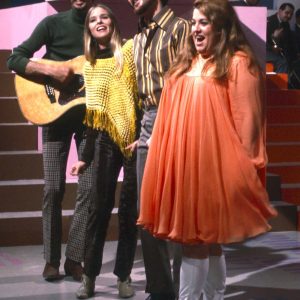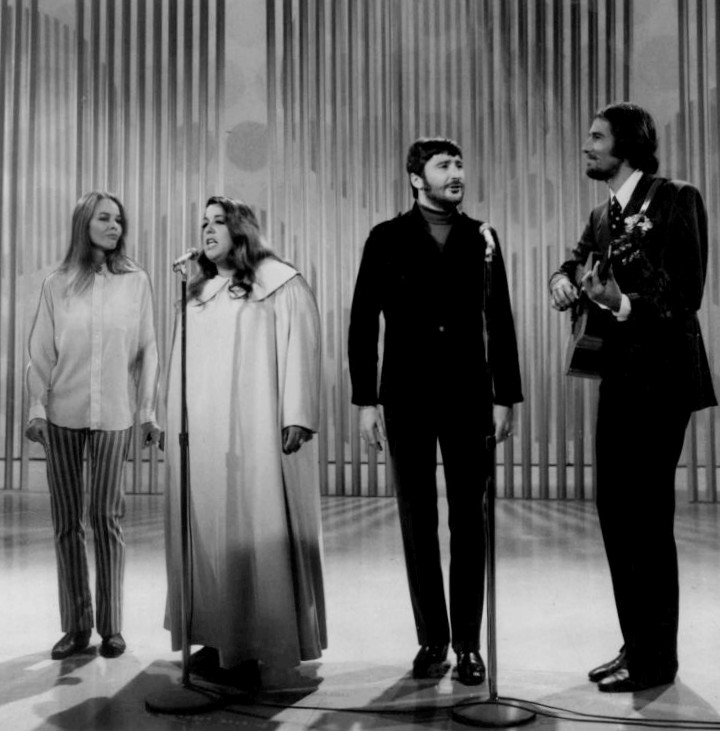
When we hear the haunting flute solo of California Dreamin’ on a crackling vinyl record, we are instantly transported back to the sun-drenched promise of 1965. The Mamas and the Papas were the architects of a sound so ethereal, so perfectly blended, that they seemed like celestial beings gracing the pop charts. Their four-part harmonies felt like a collective soul, yet beneath the surface of those golden melodies lay a web of betrayal, jealousy, and shattered romances that would eventually pull the entire group apart at the seams. While the world saw flower power and harmony, the reality behind the microphones was far more jagged.
By 1971, the California dream had effectively curdled. The Mamas and the Papas were no longer the vibrant faces of the counterculture; they were a fractured entity forced back into the recording studio by the iron grip of a contractual obligation. This final effort, People Like Us, serves as a grim artifact of a band that had completely run out of road. It is often whispered among collectors and long-time fans that during these sessions, the air in the booth was thick enough to choke on. The group members barely spoke to one another, communicating primarily through lawyers or cold, pointed silences. The intimacy that once fueled their chart-topping success had been replaced by the suffocating weight of lingering resentments.
The tension was rooted in the tangled romantic history of John and Michelle Phillips, and the volatile dynamics involving Cass Elliot and Denny Doherty. These were not just musical partners; they were a messy, interwoven family unit that had imploded long before the tape stopped rolling. As they attempted to lay down tracks for that final record, the emotional exhaustion was palpable. There is a profound sadness in listening to that last LP, knowing that the voices blending so effortlessly in the mix were coming from people who could scarcely stand to share the same physical space. It was the sound of a dream dying in real-time, hidden behind the professional veneer of studio-perfect pop.
What makes the story of The Mamas and the Papas so enduringly fascinating is this stark duality between the beauty of their art and the ugliness of their reality. They were a microcosm of the late sixties—a brief, shining moment of idealism that buckled under the pressure of human frailty. Their music remains a staple of our classic rock collections, played on turntables worldwide, yet every time we drop the needle, we are reminded that even the most perfect harmonies can hide the deepest discord. They taught us that the people who sound the most angelic in our ears are often fighting the fiercest battles in their own private lives.
Even decades later, their legacy is not defined just by their hit singles, but by the tragedy of their breakdown. The Mamas and the Papas left behind a body of work that defined an era, but their final chapter remains a somber reminder of the toll that fame and dysfunction take on the soul. When you put on that record tonight, listen closely to the pauses between the notes. Sometimes, the most honest parts of the music are the things they were trying to hide.