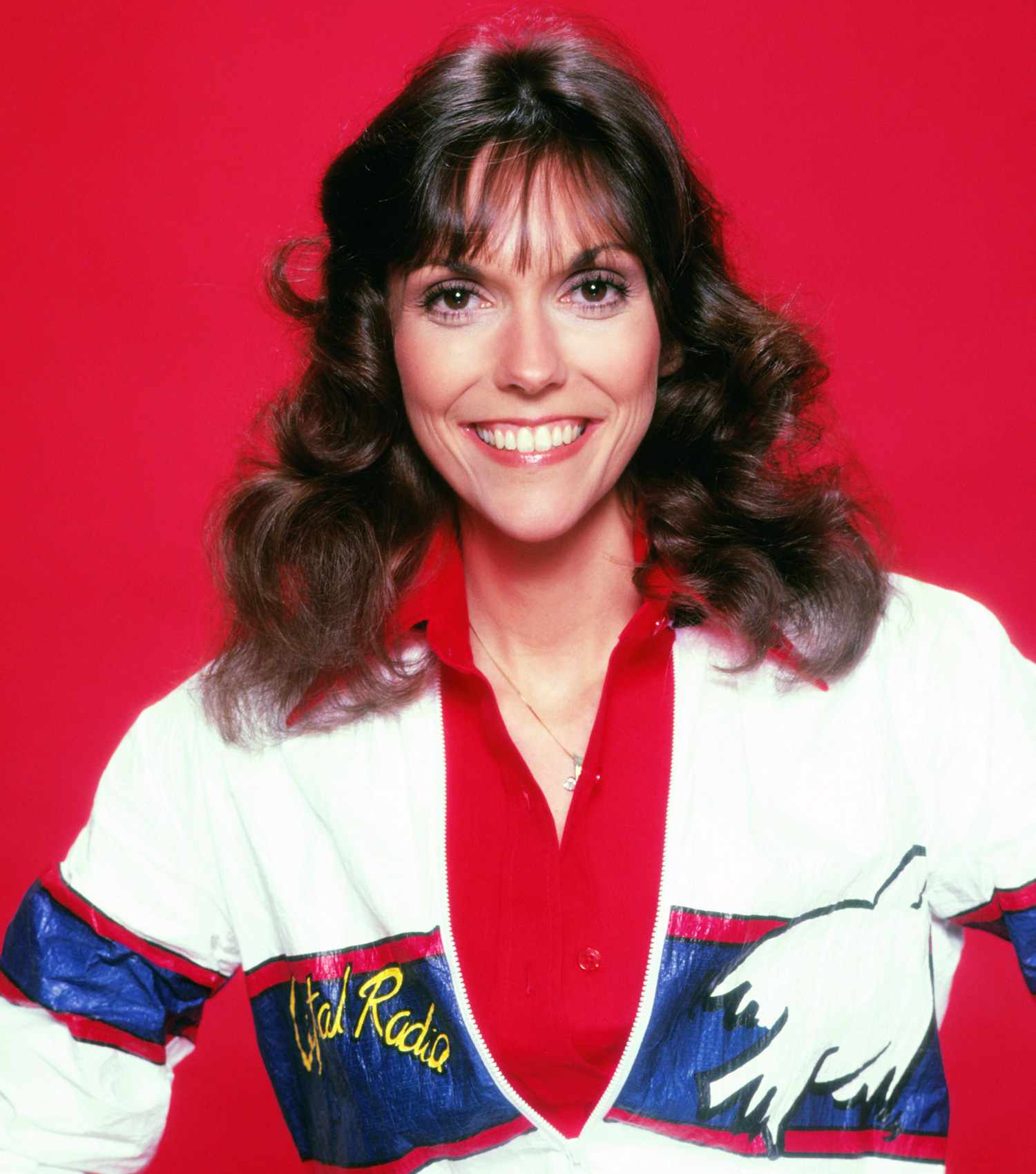
In the golden era of the 1970s, when the radio airwaves were saturated with the grit of stadium rock and the shimmering hooks of disco, there existed one sound that stood apart. It was warm, it was crystalline, and it felt like a homecoming. Karen Carpenter possessed the most beautiful voice in America, a contralto so rich that it seemed to carry the weight of every human emotion. To the public, she was the wholesome face of the Carpenters, the drumming powerhouse behind chart-topping hits like Close to You and We’ve Only Just Begun. But while the world was falling in love with her perfect harmonies, Karen Carpenter was slowly disappearing in plain sight, a victim of a silent, devastating war that the industry chose to ignore.
Looking back at those glossy vinyl covers and television specials, it is easy to view her life through a nostalgic haze. Yet, the reality behind the curtain was far more harrowing. Karen was trapped in a relentless cycle of perfectionism, managed by a family dynamic that prioritized the image of the star over the well-being of the person. As the pressures of superstardom mounted, the control she couldn’t exert over her career or her private life was redirected inward. Her struggle with anorexia nervosa remained an open secret in a decade that lacked the language or the empathy to address such a complex mental health crisis. We were listening to a voice that sounded like heaven, oblivious to the fact that it belonged to a woman fighting for her very existence.
The tragedy of Karen Carpenter lies not just in her premature death at the age of 32, but in how the media consumed her until there was nothing left. Magazines touted her as the girl next door, the quintessential American success story, while she was battling internal demons exacerbated by a culture that demanded physical perfection. There were moments during live performances where the fatigue in her eyes betrayed the smile she wore for the cameras. She was a master of the drums, often hidden behind her kit, providing the backbone for songs that defined a generation, yet she was constantly pressured to step to the front and be the fragile, delicate icon that producers wanted her to be.
Today, as we pull those old LPs from our shelves and let the needle drop on the familiar grooves, the music hits differently. We no longer just hear the pitch-perfect delivery; we hear the vulnerability. Her story serves as a haunting reminder of the darkness that often lurks behind the spotlights of fame. The industry loved the star, but it failed to protect the woman. Her passing in 1983 sent a shockwave through the entertainment world, finally forcing a long-overdue conversation about the dark toll of celebrity and the misunderstood nature of eating disorders.
Karen Carpenter remains a singular talent whose influence persists in the DNA of pop music. Every time a contemporary singer attempts to match the effortless grace of her phrasing, they are honoring a ghost. She was more than just a voice on the radio; she was a deeply sensitive soul who deserved the compassion she so freely gave to her listeners. As we remember her, we honor not just the hits, but the truth behind the melody, ensuring that her legacy is remembered with the respect and humanity she was often denied during her brief, brilliant time in the light.