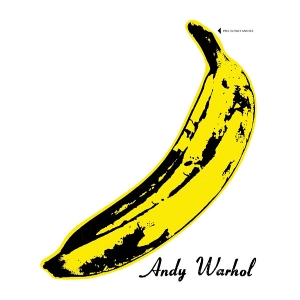
Most of us remember 1967 as the Summer of Love, a time when flower children and psychedelic pop dominated the charts. Yet, in a grimy, dimly lit corner of the New York art scene, a far darker revolution was brewing. Behind the silver-haired enigma of Andy Warhol, The Velvet Underground was preparing to unleash a record that would go completely ignored by the public, only to become the blueprint for every alternative rock band that followed. If you look back at your old vinyl collection, you might find that iconic peeling banana cover tucked away—a piece of history that nearly vanished into obscurity before it ever had a chance to breathe.
At the time, the mainstream music world wasn’t ready for the raw, abrasive, and unapologetically honest sound of Lou Reed and John Cale. Produced under the watchful eye of Andy Warhol, the self-titled debut was a commercial catastrophe. It barely made a dent on the Billboard charts, and record stores didn’t quite know what to make of these tales about the gritty underbelly of urban life—drug addiction, obsession, and the existential dread that lived far away from the radio-friendly ballads of the era. It was, for all intents and purposes, a total commercial flop, selling so few copies that legend says everyone who bought one started a band.
Why did this masterpiece fail so spectacularly back then? Perhaps the world was too blinded by the glossy sheen of the West Coast sound to appreciate the stark, avant-garde minimalism that defined The Velvet Underground. Andy Warhol’s involvement brought a sense of mystique, but it also pigeonholed the group as mere art-school experiments rather than serious musicians. They were outsiders, trapped between the high-brow gallery scene and the low-brow reality of the streets, creating a tension that bled into every groove of that original LP. They weren’t seeking stadium glory; they were chasing a visceral, haunting truth that the 1960s weren’t prepared to digest.
Decades later, the narrative has shifted entirely. We look back at this record not as a failure, but as the moment the DNA of alternative rock was spliced. The droning violins, the poetic grit of Lou Reed’s lyrics, and the detached, cool atmosphere curated by Andy Warhol created a template for artists from David Bowie to R.E.M. It is a rare example of a ‘lost’ album that refused to die, proving that artistic integrity often moves on a timeline independent of commercial success. Those who found the album in the discount bins of the seventies unknowingly held a treasure map to the future of music.
Today, listening to these tracks feels like unearthing a time capsule from a New York that no longer exists—a place of danger, beauty, and absolute creative freedom. Whether you were there in the heart of the Factory or discovered the sound much later, the impact remains undeniable. The Velvet Underground didn’t need to top the charts to conquer history; they only needed to be real. And in the end, isn’t that what we all look for in the music that truly defines our lives?