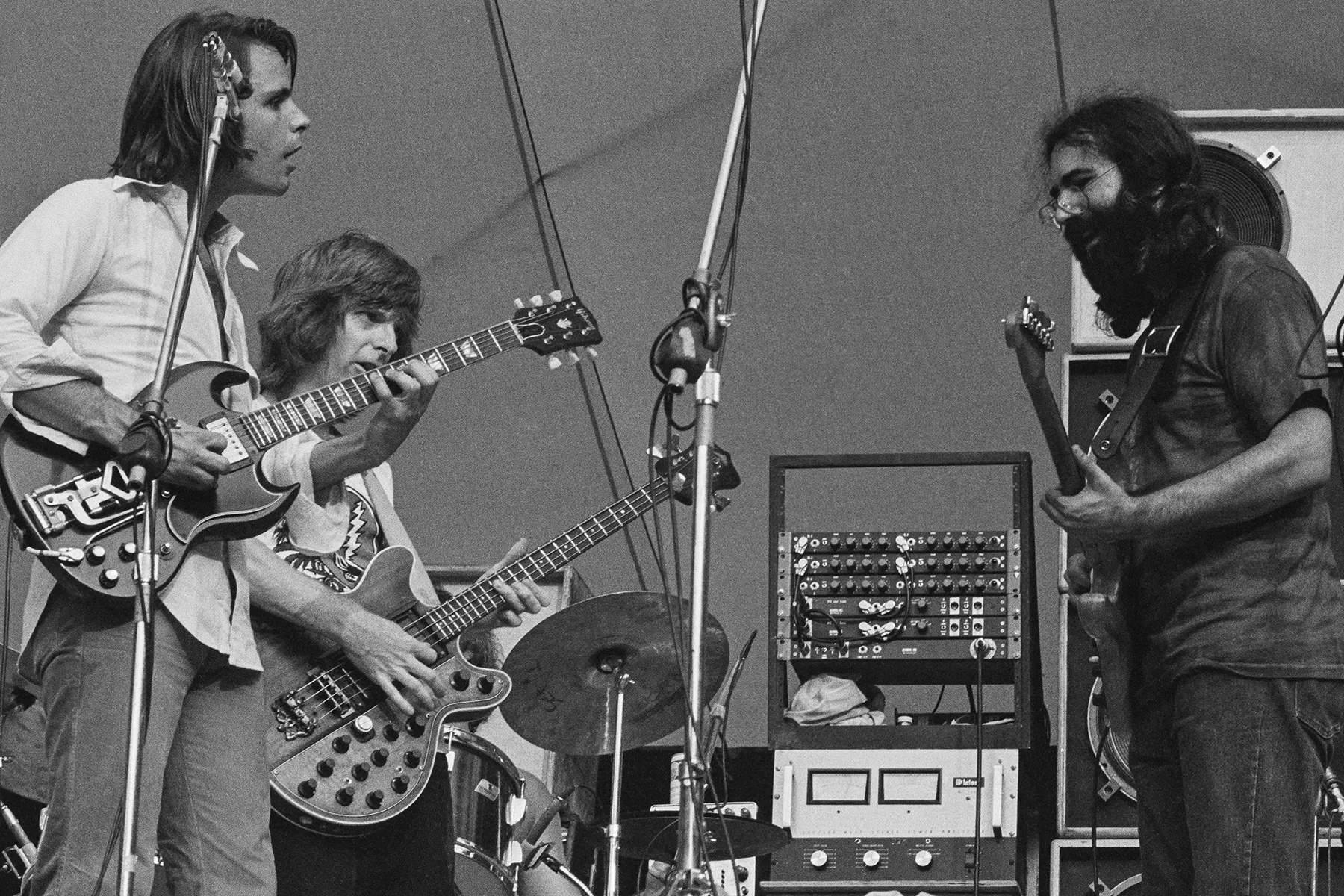
In the golden era of rock and roll, the record label was often seen as the ultimate oppressor, a corporate machine grinding down the soul of the artist. By 1973, The Grateful Dead, the undisputed kings of the counterculture, decided they had seen enough. They did the unthinkable: they walked away from the major label system to establish their own imprint, Grateful Dead Records. It was a bold, ideological statement of independence—a way to claim total ownership over their legacy and their vinyl LPs. Yet, what began as a noble pursuit of artistic liberty soon spiraled into a cautionary tale about the brutal realities of the music business.
To the fans who followed them from coast to coast, The Grateful Dead were more than just a band; they were a nomadic tribe. Their live performances were legendary, characterized by sprawling jams and a deep, improvisational communion with the audience. However, the very philosophy that made their concerts sacred—the belief that the music should be accessible and the experience unmediated—became the anchor that dragged their financial empire toward the abyss. Touring wasn’t just a business move for the group; it was a way of life, but by 1973, the sheer overhead of maintaining such a massive, independent operation started to bleed them dry.
The industry viewed the band as pioneers, but behind the scenes, the story was far grittier. While they were topping charts and selling out arenas, the costs of logistics, the lack of traditional distribution leverage, and the internal strain of managing a DIY enterprise began to take their toll. The Grateful Dead were effectively paying to keep their dream alive, sacrificing their personal wealth to bypass the suit-and-tie executives they so detested. It was a high-stakes gamble that almost cost them everything, proving that even in the world of rock and roll, absolute freedom comes with a devastating price tag.
Looking back at that era, it is impossible not to feel a sense of melancholy for the internal cracks that began to show. The stress of the business side clashed violently with the psychedelic, free-spirited aesthetic that defined their early years. There were moments of genuine despair, as the group flirted with bankruptcy while simultaneously recording some of their most iconic studio work. It is a testament to their resilience that they survived this period at all, navigating the treacherous waters of independent ownership while maintaining the tight-knit, almost religious devotion of their fanbase.
Today, we look at The Grateful Dead not just as musicians, but as architects of a path that many modern independent artists try to emulate. Their struggle in 1973 reminds us that the history of rock is not just about the hits, but about the sacrifices hidden in the B-sides of their history. The Grateful Dead didn’t just play music; they lived through the fires of the industry, leaving behind a legacy that is as complicated and beautiful as the songs they played. Does the price of their independence change how you listen to their classic records today?