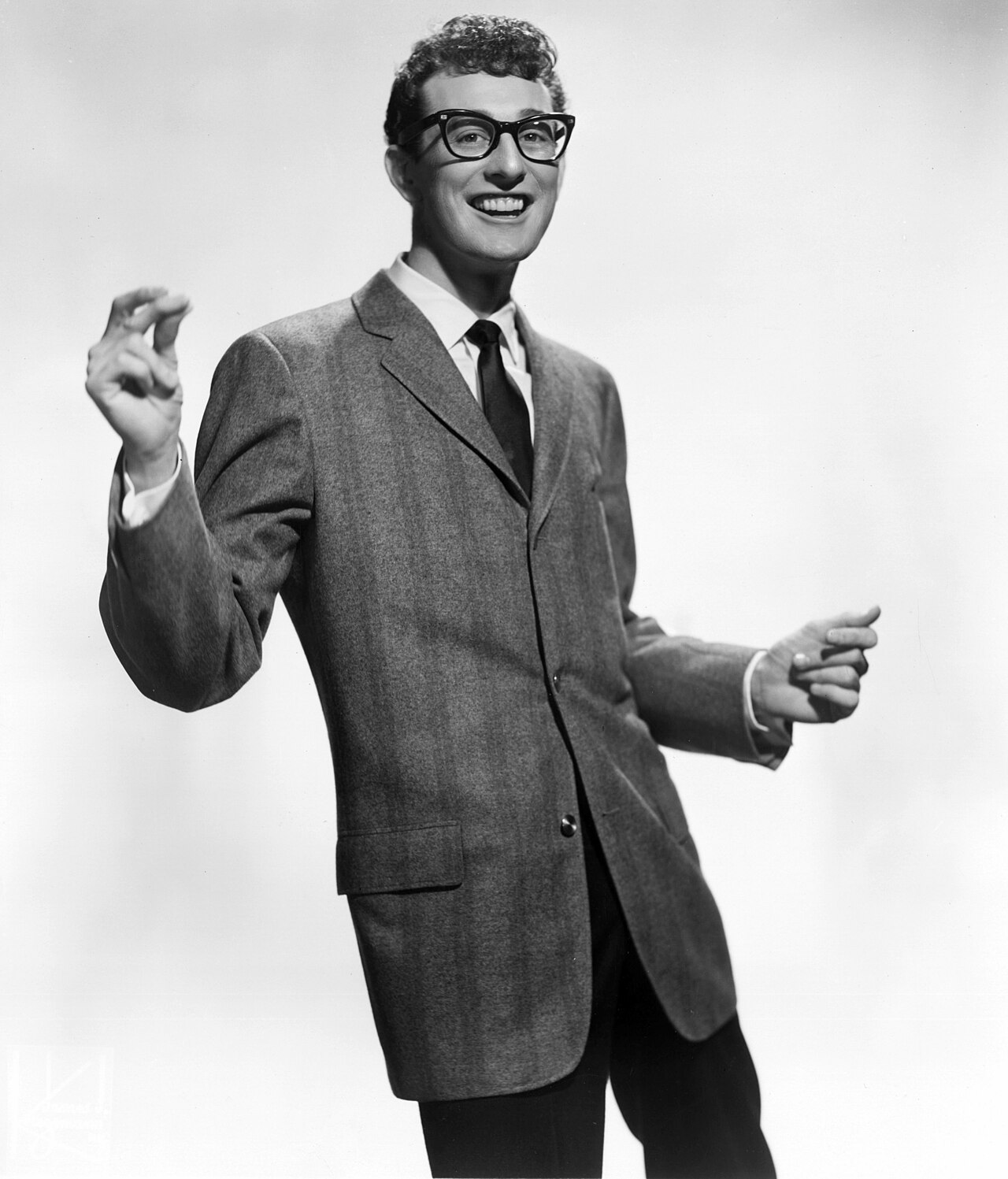
It was February 3, 1959—a date etched into the collective memory of every rock and roll aficionado who still spins their dusty vinyl LPs in the quiet hours of the night. On that bitter, frozen morning, the world lost more than just three burgeoning icons; it lost a sense of innocence that the mid-century American dream had so carefully cultivated. Buddy Holly, the bespectacled pioneer whose influence would eventually ripple through the works of The Beatles and The Rolling Stones, made a fatal decision to trade the suffocating misery of a broken-down tour bus for the speed of a chartered Beechcraft Bonanza. He was only twenty-two, a young man with a wealth of hit records and a boundless future, yet he never reached his next destination.
The Winter Dance Party tour was supposed to be a triumph, a cross-country celebration of the upbeat rhythms that defined the late fifties. However, the tour bus was a mechanical nightmare, leaking heat and leaving the musicians to shiver in sub-zero temperatures as they traversed the treacherous Midwest. When Buddy Holly reached the Clear Lake, Iowa stop, he reached his breaking point. He decided to charter a small plane to reach Fargo, North Dakota, desperate for a night of real sleep and a chance to wash his clothes. It was a simple, practical choice, yet it set the stage for one of history’s most harrowing tragedies. He took two others with him: the nineteen-year-old sensation Ritchie Valens and the charismatic J.P. Richardson, known to the world as The Big Bopper.
History often sanitizes the final moments of our heroes, turning them into statues of myth and memory. But the reality of that Iowa cornfield was visceral and raw. The blizzard-like conditions and the inexperienced pilot created a recipe for disaster that ended just minutes after takeoff. When the small aircraft spiraled into the earth, it didn’t just claim three lives; it extinguished the fire of early rock and roll. For those of us who grew up with the crackle of Buddy Holly on the radio, that moment feels like a personal betrayal of time itself. We are left wondering what masterpieces might have been written had Buddy Holly not made that fateful call to the aviation company.
Decades later, the tragedy remains a haunting ghost story of the music industry. It serves as a stark reminder that even the chart-toppers, those who seem untouchable beneath the arena lights, are bound by the same fragile mortality as the rest of us. We still hear Buddy Holly in the B-sides of our favorite classic rock records and see his influence in the iconic poses of every rock star that followed. His death wasn’t just a plane crash; it was the abrupt end of an era.
As we look back, the legacy of Buddy Holly remains pristine, unblemished by the typical scandals that ravaged his peers. His music remains a testament to a simpler time, a sound defined by pure heart and authentic rhythm. Perhaps that is why his story resonates so deeply today. We don’t just listen to the music; we honor the man behind the glasses, whose final, desperate attempt to find comfort led him into the pages of history forever. The music didn’t actually die, but that winter night, it certainly fell silent for a long, cold moment.