Three days after their new album hit the shelves, the music died for a generation of Southern rock fans. On October 20, 1977, the legendary frontman of Lynyrd Skynyrd, Ronnie Van Zant, boarded a chartered Convair CV-240 that would never reach its destination. For those of us who grew up spinning their records until the grooves wore thin, the news felt like a puncture in the soul of American music. The band had just released Street Survivors, an album that was supposed to catapult them into the stratosphere of rock immortality. Instead, the cover art, featuring the band engulfed in flames, became a haunting, unintentional prophecy that we still struggle to look at today.
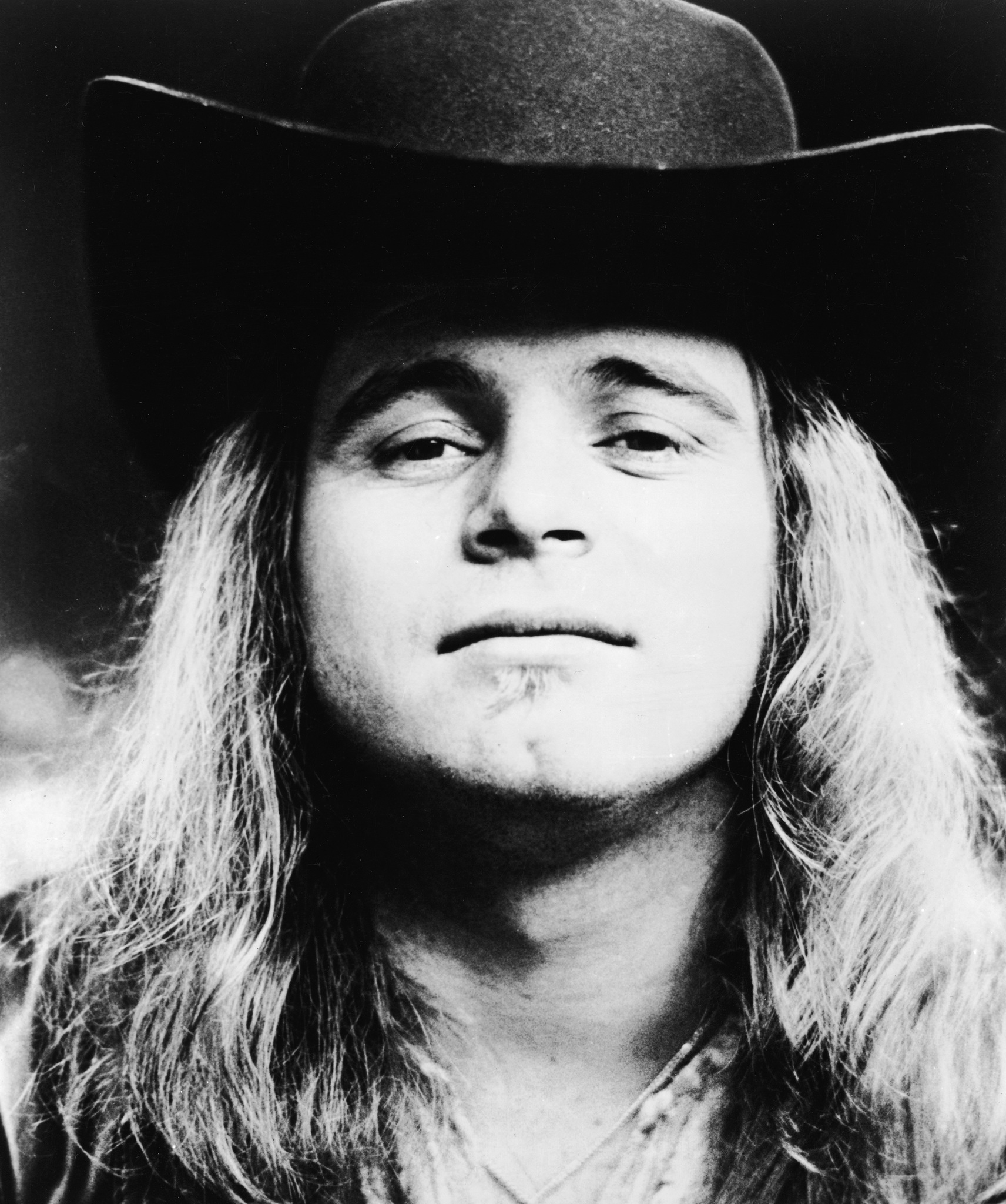
Ronnie Van Zant was more than just a lead singer; he was the gritty, authentic voice of the working-class South. With a cigarette often dangling from his lips and an uncompromising attitude toward his craft, he led Lynyrd Skynyrd with a raw power that made arena rock feel intimate. Behind the scenes, however, the life of a touring band was becoming unsustainable. Stories of fuel gauges malfunctioning and engines sputtering had circulated for days, but the lure of the road was too strong for a band at the height of their powers. When the plane finally ran dry over a desolate Mississippi swamp, it didn’t just end the lives of Ronnie Van Zant, Steve Gaines, and Cassie Gaines; it silenced a movement that had just begun to peak.
I remember the smell of fresh vinyl and the crackle of the needle hitting the record when I first heard that album. It was quintessential Southern rock—rebellious, honest, and filled with a longing for home. When the reality of the crash set in, the music changed for all of us. It was no longer just about the triple-guitar attack or the blistering solos; it became a memorial. We started listening closer, searching for hidden meanings in lyrics that suddenly sounded like premonitions. The tragedy of Ronnie Van Zant left a void that no number of reunions or tribute bands could ever truly fill.
Decades later, the legend of Lynyrd Skynyrd remains untarnished by time. Their music, which once echoed in smoke-filled dive bars and massive stadiums alike, serves as a time capsule of an era when rock ‘n’ roll was dangerous and unfiltered. We still debate the specifics of that flight, the mechanical failures, and the ‘what-ifs’ that linger in the humid Mississippi air. The truth remains that Ronnie Van Zant lived as he died—fearless, unyielding, and completely devoted to the sound he helped create.
Whether you are revisiting your worn-out original LP or streaming their hits today, the impact of their abrupt end is impossible to ignore. Ronnie Van Zant defined a generation, and though his flame went dark far too early, the embers of his music still burn bright in the hearts of those who remember what it meant to live for the roar of the crowd. As we look back on the legacy of Lynyrd Skynyrd, we aren’t just remembering a band; we are honoring a voice that refused to be forgotten.