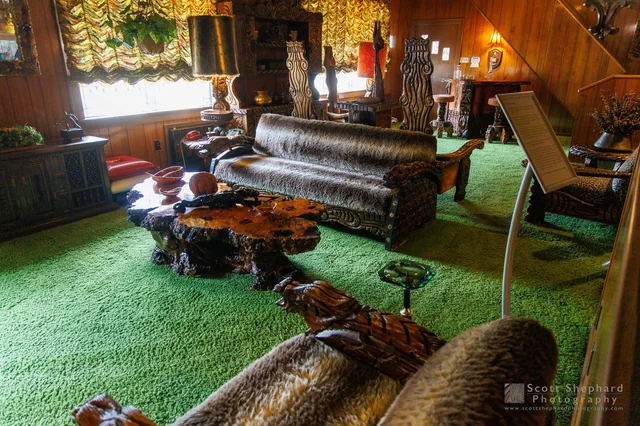
In the winter of 1976, the air at Graceland felt heavy, thick with the silence of a man retreating from the world. For those of us who grew up spinning his 45s on the turntable, Elvis Presley was more than just a chart-topper; he was the heartbeat of our youth. But by the mid-seventies, the King of Rock ‘n’ Roll was a different man, cloaked in solitude and disenchantment. He had grown tired of the sterile, neon-lit recording studios of RCA, the places that had once hummed with his electric energy. Instead, he chose the comfort of his own home, specifically the eccentric, green-shag-carpeted den known as the Jungle Room.
It is hard to imagine now, but the final studio Elvis Presley ever inhabited wasn’t a professional soundstage. It was a bizarre, exotic sanctuary inside his Memphis estate. As the world waited for the next big hit, the King retreated into his pajamas, refusing to leave the familiar walls of Graceland. In a move that signaled his deep isolation, he forced the RCA engineers to bring the studio to him. They parked a massive mobile recording truck outside the mansion, running thick cables through the hallways of the King’s private quarters, effectively turning his living room into a makeshift booth.
Imagine the scene: the humidity of the Memphis night, the bizarre décor of artificial waterfalls and kitschy plants, and a weary, soulful Elvis Presley pouring his remaining spirit into the microphone. There was no pretense here. No polished, corporate suit. Just the raw, gravelly edge of a voice that had sung its way into history. You can still hear it today if you listen closely to those tracks—a profound, lingering sorrow that permeates the records. He wasn’t just performing; he was exorcising ghosts. The music produced in those sessions wasn’t the high-octane rock of the fifties, but a deeply personal, blues-soaked reflection of a life lived too fast.
History often paints these legends in bright, celebratory colors, but the Jungle Room sessions reveal the fragile truth behind the velvet curtain. Those sessions captured the final, flickering light of a genius who felt the walls of fame closing in. It was a stark contrast to the arena rock he had perfected, a quiet, intimate surrender to his own demons. The recordings that emerged—songs like Moody Blue or Way Down—carry an authenticity that studio perfection can never replicate. They are the B-sides of a life, the unvarnished reality of a man who belonged to the world but had nowhere left to hide.
When we listen to those late-era Elvis Presley tracks today, we aren’t just hearing a song; we are witnessing a moment of profound vulnerability. It serves as a haunting reminder that even the greatest stars are human, tethered to the same solitude as the rest of us. As the needle drops on your own vintage LP of these sessions, take a moment to look past the fame and see the man in the Jungle Room, still singing for his life, while the world waited outside the gate.