The year was 1964, a time when the airwaves were dominated by the smooth, velvet voice of Sam Cooke. He was the King of Soul, a man who gave us hits like A Change Is Gonna Come and Wonderful World. But on a December night in Los Angeles, the music didn’t just stop; it curdled into a tragedy that remains one of the most haunting footnotes in music history. The official narrative from the Hacienda Motel was quick to label his death as a justifiable homicide, yet for those of us who grew up spinning his vinyl records, the story never sat right. It was a cold, clinical conclusion for a life that burned with such soul and intensity.
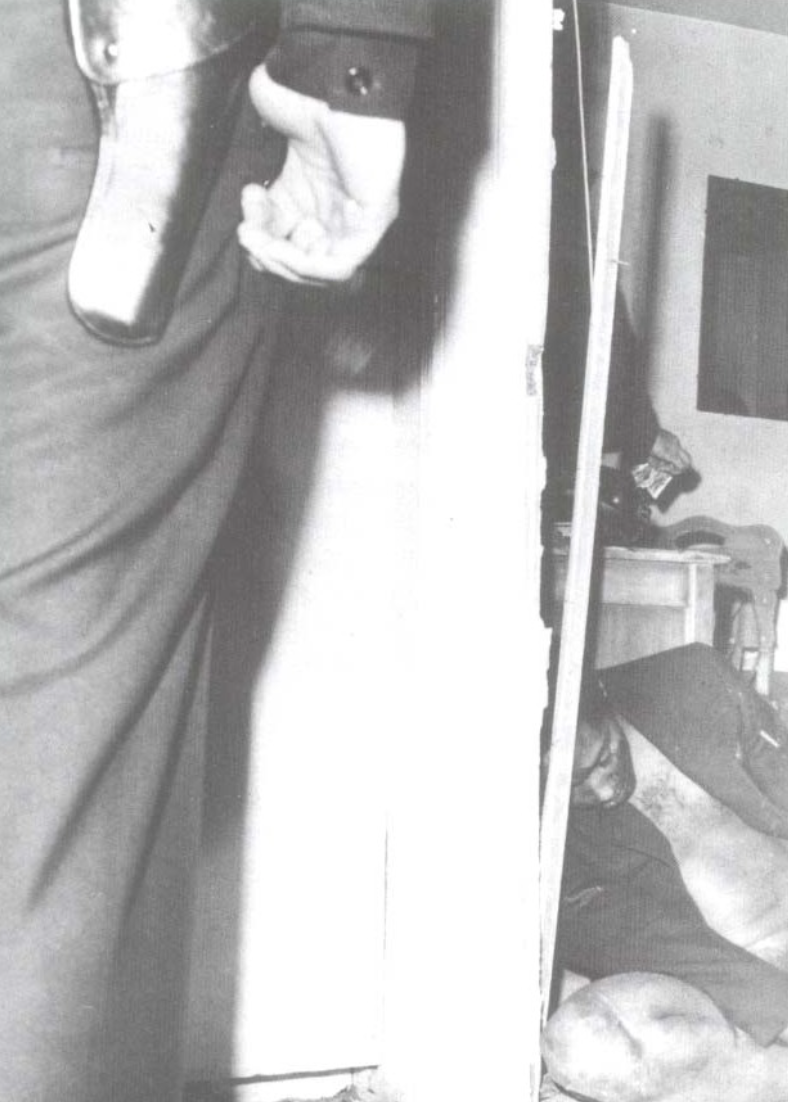
The events at the Hacienda Motel remain shrouded in a fog of conflicting testimony. According to the manager, Sam Cooke arrived at the rundown establishment in a state of agitation, wearing little more than a coat over his undergarments. We were told of a struggle, a missing woman, and a final, desperate confrontation that left the icon dead on the floor. But the gaps in the story were vast. Why was there so much confusion about his personal belongings? Why did the accounts from that night seem to shift like shadows on a wall? For decades, the narrative has felt less like a settled case and more like a B-side track that the industry wanted to keep hidden from the public eye.
To understand why this stings so deeply, you have to remember what Sam Cooke represented during the mid-sixties. He wasn’t just a chart-topper; he was an artist reclaiming his own narrative, fighting for the rights of Black musicians, and bridges the gap between gospel roots and pop sensibilities. When he lost his life at that motel, the world didn’t just lose a voice; it lost a visionary. The sheer abruptness of his passing at the age of thirty-three felt like a betrayal of the promise he held. The tragedy transformed from a local police report into a wound that the soul music community has never quite been able to heal.
There is a chilling detail often overlooked in the sensational headlines: the missing money and the conflicting timeline of his final hours. It suggests a complexity that goes beyond a mere drunken brawl or a lapse in judgment. For a man who understood the mechanics of fame and the danger of the spotlight, his presence at such a desolate location remains a riddle. It forces us to look past the velvet suits and the polished performances to see the human being underneath, caught in a system that often chews up its brightest stars.
Even today, the mention of the Hacienda Motel sends a shiver through those of us who still collect the classic LPs. It serves as a reminder that even the greatest among us are vulnerable to the chaos of life. We may never have the full truth of what happened in that room, but we still have the music. Every time the needle drops on a Sam Cooke record, we aren’t just hearing a song; we are listening to the echo of a soul that left us far too soon. Perhaps some mysteries are meant to remain unsolved, lingering in the static of a golden era.