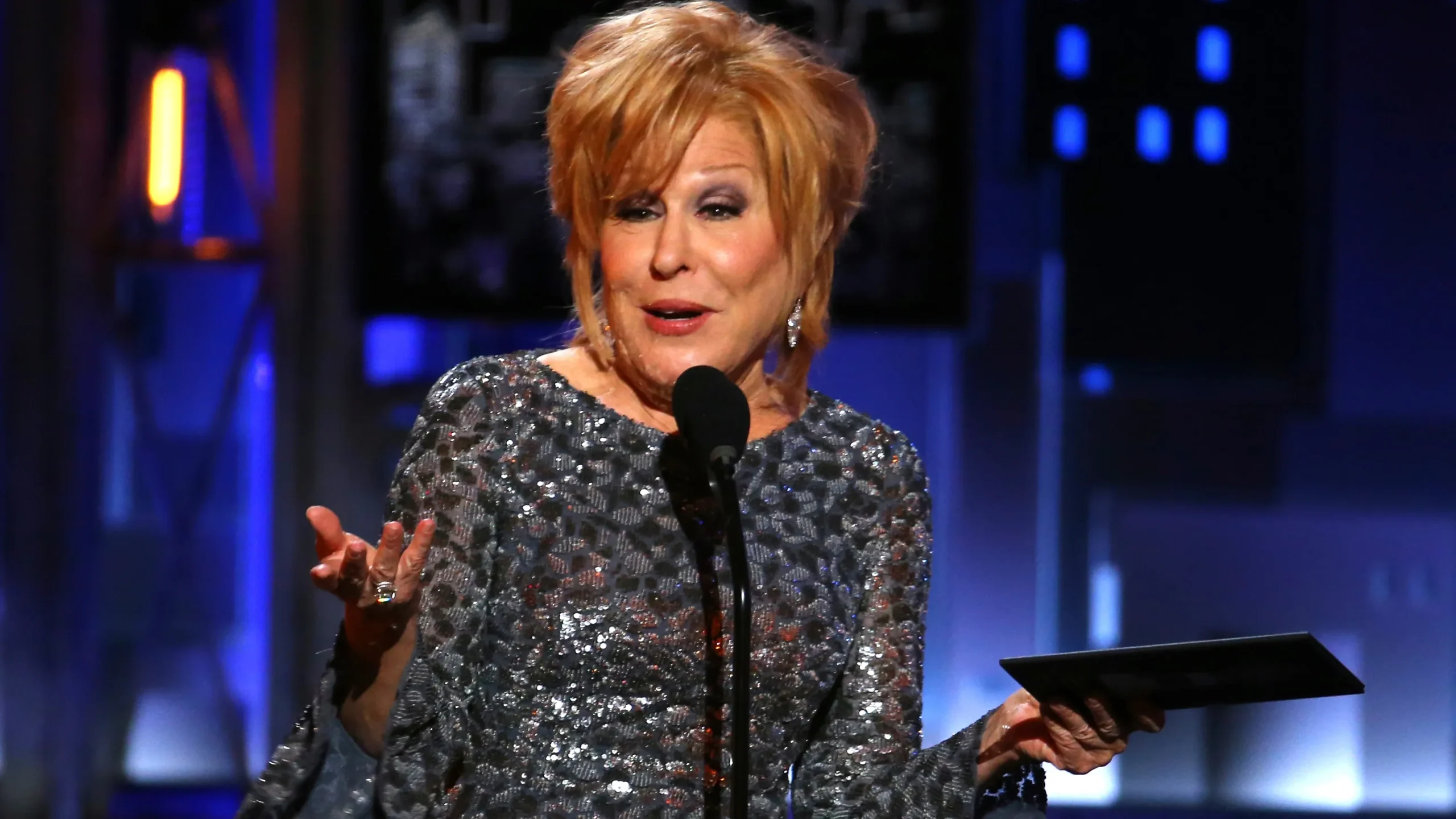
Long before the digital age reduced our national discourse to hundred-character barbs, Bette Midler ruled a different kind of stage. The Divine Miss M was a force of nature, a brassy, bold chanteuse whose voice could move an arena to tears with her classic ballads or whip a crowd into a frenzy with her bawdy cabaret humor. But what happens when an icon of the vinyl era, accustomed to the warm glow of theater footlights, decides to bring her legendary fire into the cold, digital colosseum of modern politics? The spotlight did not fade for this legendary diva; it simply turned its searing heat onto Washington, specifically targeting Senator Lindsey Graham.
To understand the sheer ferocity of Bette Midler, one must look back to her roots in the 1970s. Emerging from the bathhouses of New York City, she defined an era of unapologetic self-expression, blending high-camp theater with chart-topping emotional balladry. She was never a singer who stayed quiet or played by the rules of the safe, corporate record labels. Her LP records were filled with drama, and her live performances were masterclasses in confrontational intimacy. It was this exact, unfiltered theatricality that she unleashed on Twitter, transforming her feed into a modern-day stage where political figures like Lindsey Graham became the targets of her sharpest satirical daggers.
The feud between Bette Midler and Lindsey Graham was not merely a brief exchange of modern internet insults; it was a clash of two entirely different American institutions. On one side stood showbiz royalty championing progressive causes; on the other stood a senator who had undergone a dramatic political evolution. Whenever Lindsey Graham defended controversial administration policies, Midler was there on Twitter, ready to strike. Her tweets carried the sharp, biting wit of her old comedy routines, leaving onlookers wondering where the performer ended and the activist began.
This relentless crusade polarized her fanbase, forcing many who grew up spinning her classic albums to choose between their political beliefs and their devotion to the singer who sang the wind beneath their wings. For a generation that remembered the unifying power of her music, watching her engage in such bitter, public partisan battles was both electrifying and deeply unsettling. It raised a lingering question that still echoes today: should our musical heroes remain frozen in the nostalgic wax of the past, or do they have a duty to use their hard-earned platforms to fight in the trenches of modern history?
Ultimately, Bette Midler proved that a true artist never truly retires from the spotlight; she merely changes the venue. Whether she was performing in a smoky cabaret or typing out a furious critique of Lindsey Graham, her passion remained undeniable. The era of the golden LPs may have given way to the instant outrage of social media, but the Divine Miss M showed us that the voice that once filled stadiums can still shake the halls of power. Do you prefer your musical icons to stay in the realm of melody, or do you admire when they bring their theatrical fire to the modern political stage?