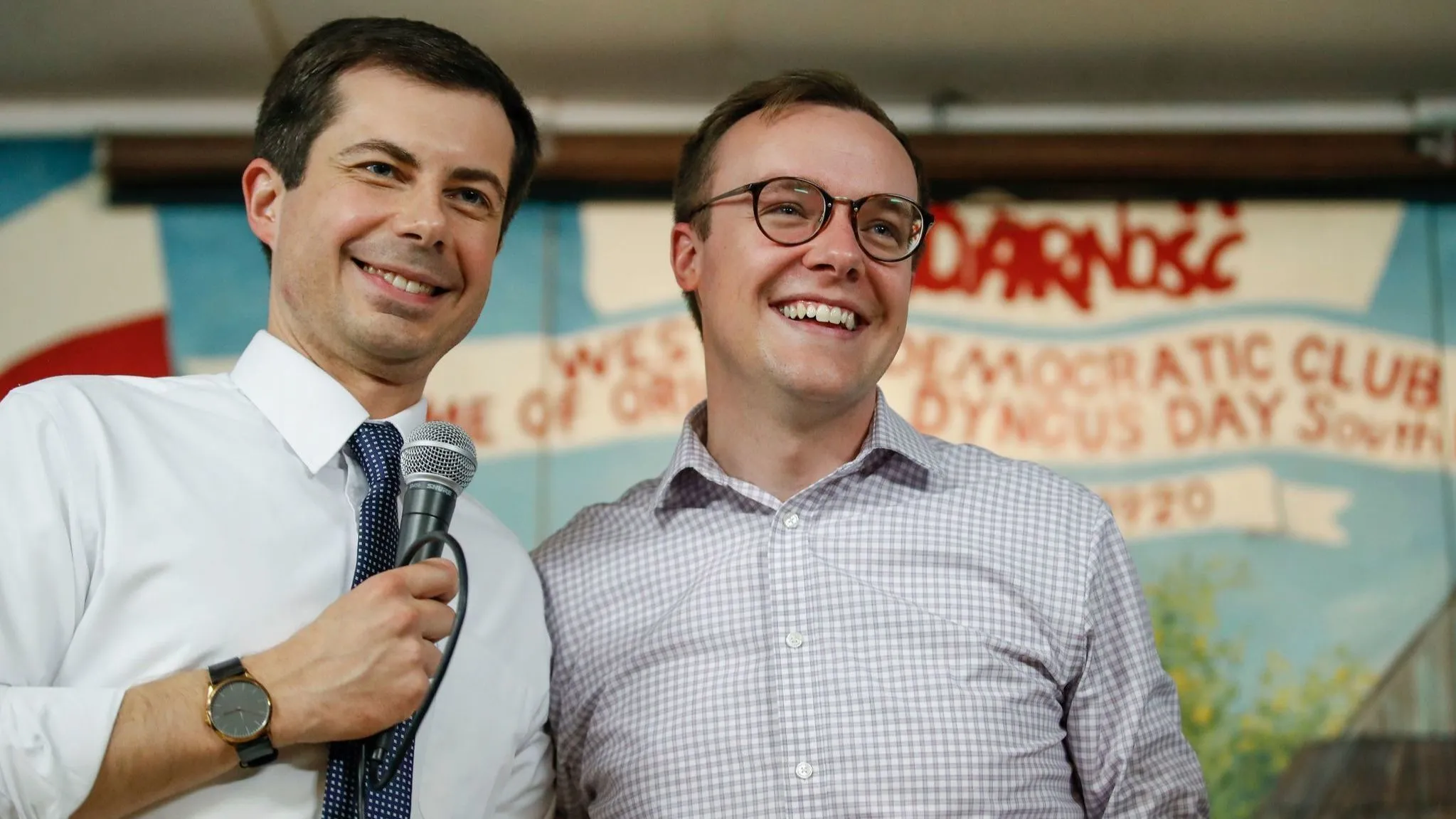
Can a polished modern politician truly borrow the soul of nineties jam-rock, or is some authenticity simply not for sale? In the high-stakes theater of the 2020 presidential primaries, an unlikely pairing turned heads when the clean-cut technocrat Pete Buttigieg teamed up with the ultimate avatar of road-worn acoustic credibility, Dave Matthews. For one evening, the calculated world of political fundraising collided with the free-flowing, improvisational spirit of the ultimate touring icon. It raised a burning question among music purists and political observers alike: was Mayor Pete courting voters, or was he trying to buy the very essence of Gen-X nostalgia?
To understand why this pairing felt so jarring, one must look back to the decade that defined Dave Matthews. In the mid-nineties, while grunge was screaming its pain, Dave Matthews and his band offered a different kind of escape. They built an empire not on polished radio singles or MTV-tailored images, but on the relentless grind of live touring, tape-trading, and endless, virtuosic jams. For millions of college students and young adults who bought LPs like Under the Table and Dreaming on vinyl, Dave Matthews was the soundtrack to road trips, smoky dorm rooms, and unscripted summer nights. His credibility was earned on stage, sweat-soaked and acoustic.
Decades later, enter Pete Buttigieg, a Rhodes scholar and former mayor whose public persona was the antithesis of the bohemian jam-band culture. Pete Buttigieg represented order, data, and carefully rehearsed talking points. Yet, in the fierce battle to win over affluent Gen-X donors and voters who grew up on those nineties anthems, the politician needed something money could not buy: genuine, unvarnished cool. By sharing a stage with Dave Matthews, Pete Buttigieg was hoping some of that acoustic magic and counterculture authenticity would rub off on his sterile, technocratic campaign.
The fundraiser itself was a fascinating study in cultural friction. Here was Dave Matthews, strumming his familiar Martin acoustic guitar, singing songs about love, mortality, and the passage of time, while wealthy donors watched through screens and pristine venue spaces. It was a calculated play to tap into the deep-seated emotional reservoirs of a generation that now holds the keys to political and financial power. For Gen-Xers, hearing those familiar chords evoked a simpler time before algorithmically driven politics, making them uniquely vulnerable to the nostalgic pull of the performance.
In the end, music has always been a powerful weapon in American politics, used to manufacture warmth where there is only ambition. But as the final chords of the night faded, one couldn’t help but wonder if the raw, improvisational soul of jam-rock could ever truly be harnessed by a political machine. Perhaps some magic is meant to remain in the dusty grooves of old vinyl records, forever out of reach of the teleprompters. Did this political duet ring true to you, or was it just another carefully rehearsed campaign track?